
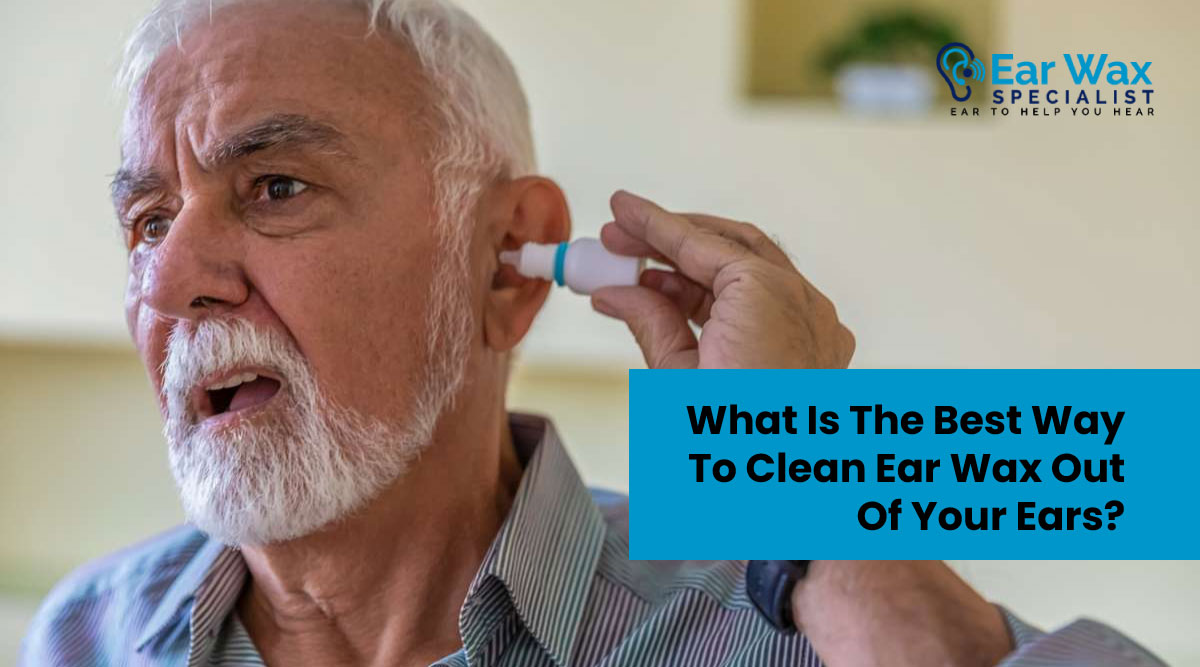
The best and safest way of cleaning earwax is to first dissolve it with olive oil or ear drops and then let it drain out naturally. In the event of persistent blockage or hearing loss, it is recommended to have professional Ear wax removal by professionals for a safe and proper clean.
Use softening drops first; if your hearing remains blocked, attend a professional for gentle irrigation or microsuction instead of inserting things or using cotton buds.
You could just search for reliable experts by putting in Ear wax removal near me to find clinics close by, or book expert procedures like Ear syringing Sutton Coldfield or Ear syringing Solihull for instant and successful wax removal.
Introduction
Earwax (or cerumen, as it is known medically) is natural and essential, it protects the ear canal by trapping dirt and bacteria. But when there is excess earwax, one might find oneself suffering from hearing loss, pain, or earache. The safest way to clean earwax depends on the severity of the blockage. The trick is using softening drops carefully, avoiding cotton buds, and knowing when professional earwax removal is required.
Why Earwax Exists — And When It Becomes A Problem
The ears are self-cleaning. Normally, cerumen moves outward as we talk or chew, carrying debris away. Problems start when this process is disrupted, from frequent earphone use, narrow ear canals, or excessive wax production. Hardened wax can trap water and cause tinnitus, temporary hearing loss, and infections.
When you experience muffled sounds, pressure, or itchiness, it’s advisable to steer clear of ear-poking using cotton buds. Instead, try using softening techniques or consult a clinic providing professional Ear Wax Removal Stourbridge procedures for safe cleaning.
Safe At-Home Options: Drops, Oils, And Bulb Syringing
Most minor blockages may be treated at home. Both NHS and Harvard Health have recommended ear drops, olive oil, or sodium bicarbonate drops for softening wax. These allow the wax to fall out naturally over the course of a few days.
Use a few drops of olive oil in the affected ear two to three times daily. Tilt your head for a few minutes to let the oil reach the wax. This process can be repeated for up to two weeks until the ear clears.
Do not apply drops if you have a perforated eardrum, ear discharge, or an ear infection. In case of doubt, seek advice from a pharmacist or physician prior to treatment.
If home methods fail, you can search for Ear wax removal near me to find clinics providing medical-grade treatments like irrigation or microsuction performed by trained professionals.
How To Use Drops And Oils (Step-By-Step)
- Warm the bottle slightly in your hand to reach body temperature.
- Tilt your head with the affected ear facing upward.
- Apply 2–3 drops and stay tilted for about 5–10 minutes.
- Sit upright and wipe any excess oil gently.
Repeat this twice daily for several days. Avoid pushing anything into your ear. Even hearing aid users can safely use oil drops but should remove devices during treatment.
If symptoms persist after two weeks, it’s wise to consult a healthcare provider for professional removal options such as ear syringing or microsuction.
Bulb Syringe Or Home Irrigation: What To Know
A bulb syringe can be helpful if softening drops alone don’t work, but only if you don’t have ear pain, infection, or a history of perforation. Fill the bulb with lukewarm (never hot) boiled water. Gently squeeze it into the ear canal and allow water to flow out naturally.
Never use pressure or force, this can damage the eardrum. If the blockage remains, visit a clinic instead. For instance, Ear syringing Sutton Coldfield and other regional services use controlled irrigation under supervision for safe wax removal.
What Not To Do: Cotton Buds, Ear Candles, And Risks
Cotton buds are one of the most common causes of impacted earwax. They push wax deeper and can scratch or tear the eardrum. Likewise, ear candles are unsafe and ineffective, studies show they do not remove wax and can cause burns.
Avoid inserting any objects, sharp or soft, into the ear. If you feel blocked after swimming or showering, simply dry the outer ear gently with a towel. Persistent blockage, pain, or hearing loss should always be checked by a professional.

When To Get Professional Removal (Syringing, Microsuction)
If softening or bulb syringing doesn’t resolve the issue, professional cleaning is the safest solution. Healthcare personnel provide microsuction, ear irrigation, and manual removal with magnification.
Microsuction is considered the gold standard for wax removal. It uses a small vacuum applied gently to remove wax without using any water. It works best for patients with a previous ear surgery history or patients who wear hearing aids. Ear irrigation (or ear syringing) is another reliable option to wash wax out using body-temperature tap water.
Many clinics, including Ear syringing Solihull, offer these services with expert care. A professional assessment ensures there’s no underlying infection, and you’ll often leave hearing clearly again within minutes.
Best Immediate Steps
Start with ear drops or natural oils to soften the wax for several days. Avoid cotton buds and ear candles at all costs. If the blockage continues or your hearing doesn’t return to normal, book a professional earwax removal appointment near you.
Remember, a few minutes of proper care today can prevent infection and preserve your hearing for years.