

As the winter season paces ahead, you will be highly excited to be a part of winter activities. These can include skinning, ice skating or snowboarding. But, the loud noises from such activities can damage your ears. The low temperature can also lead to some unexpected conditions. So, read on to know how to secure your ears in winter.
Bundle Up / Cover Up Or Cover Your Ears
As the winter season moves ahead, it’s essential to protect the ear. Frostbite and discomfort may result from exposing the ears to chilly winds. The individual will also have to bear the consequences due to long-term damage. But, to shield the ears, you can cover them using earmuffs. On the other hand, a hat can shield your ears. Just make sure that the material or fabric is breathable so that you don’t feel uncomfortable ahead.
Keep Excess Water Out Of Ears
When you step out into the cold weather, moisture can have a affect on your ear health. Sometimes water can get trapped in the ear canal if there is an ear wax obstruction, this can sometimes lead to otitis externa ear infections. Some of our patients suffer with a condition known as ‘swimmer’s ear’. Swimmers ear is a condition that causes inflammation, irritation, or infection of the ear canal. So, while you take care of your ears, keep excess water away.
You can use a cloth to gently clean the ear canal entrance.
You can use an absorbent earwick to dry the excessive moisture in the ear canal.
Try to avoid using cotton buds.
Alternatively, you can tilt your head sideways and gently pull the earlobe. You can also use a hairdryer set a low speed for drying the ear canal.
Wear Ear Protection
Ear protection is very important in loud environments. If you are going to a rock concert or a gig it is important to protect your hearing.
Wearing ear muffs in the cold weather can also protect your ears. Within the canal, you find a large number of touch, temperature, pain receptors. They can easily be triggered by changes in temperature, especially in cold weather.
Keep Ears Dry
Moisture in the ears can lead to discomfort or infections. This is likely to occur when you’re outdoors and it has been raining for a long time. In this instance, you must keep the ears dry by using a towel. An absorbent cloth can also help to dry the ear. If you’re going to swim in cold water, then we suggest you use waterproof earplugs. These will prevent the entry of water and prevent irritation during the winter months.
Avoid Direct Exposure to Cold Air
Cold air can adversely affect the ear especially when they are exposed to the cold for long periods of time.. So, to protect your ears, cover them completely with a headband or a hat out in the cold weather.

Eat Healthy & Keep your Immune System Fit
A healthy immune system plays a vital role in protecting your ears. To boost your immune system, you can consider food items that are rich in Vitamin C, antioxidants, and Zinc. As soon as you start consuming such foods, you will not be susceptible to ear infections or colds. You will also not have to worry about any hearing problems. Drinking plenty of water during the winter season while you’re taking care of your ears.
Keeping Ears Warm
Continuous exposure to low temperatures can lead to a condition known as exostosis. In simple terms, this condition is also called ‘surfer’s ear’. As the ear gets affected, it can lead to abnormal bone growth. In addition to ear infections, exostosis can also cause hearing loss. Complications can also arise later due to the condition. As a result, donning earmuffs or a cap can completely cover your ears. But, before you choose these, ensure that you can hear the sound of people speaking around you.
Stay Away From Loud Noises
During winter activities, it’s critical to shield the ears from harsh noises. This is because when the ears are exposed to loud noises relentlessly it can lead to hearing loss. Thus, when you’re concerned about your ears, avoid standing near loud noise sources. To preserve hearing ability, you must also lower the volume of headphones. You must also keep yourself away from unnecessary exposure to a loud noise.
Take Care Of Your Hearing Aids
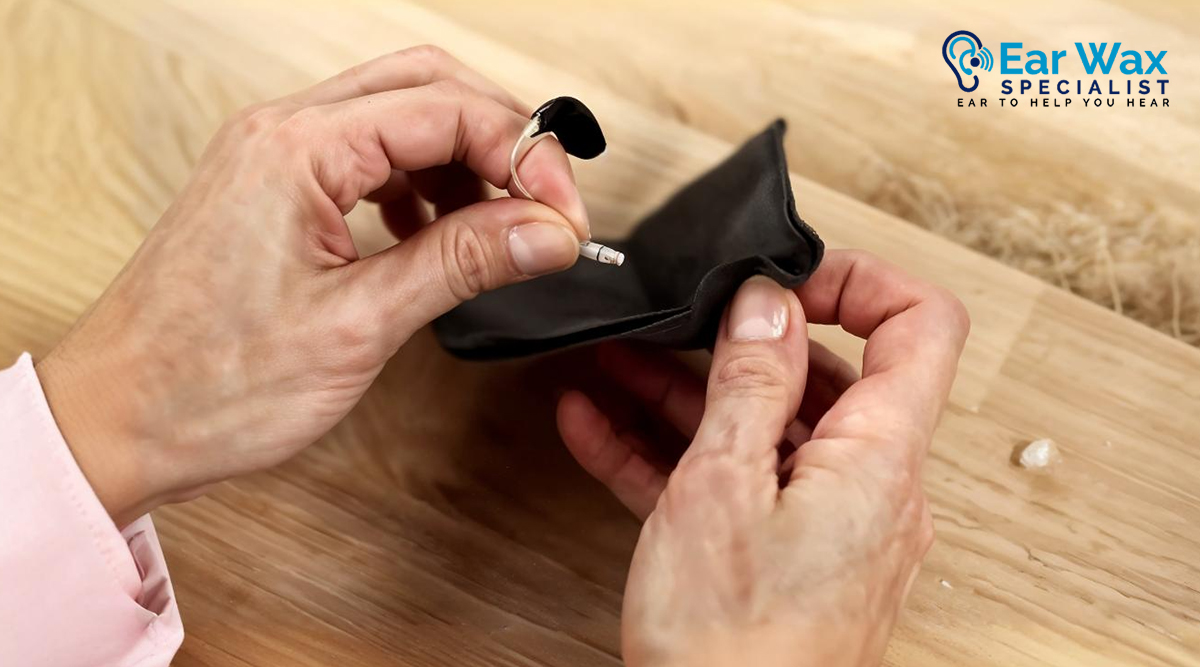
If you use hearing aids, then take care of them during wintertime. The climatic conditions and moisture can damage the components of such devices. So, consider storing them in a dry area when you’re not using them. To remove moisture buildup, you must also use a hearing aid dehumidifier. If you have been spending time in wet outdoor conditions use earmuffs to keep the hearing aids dry. You must also check the batteries to ensure that the hearing aids function optimally.
Schedule Regular Hearing Checkups
Visiting a clinic for regular ear evaluations can help determine any changes in your hearing.
A regular checkup is always a good way to ensure you stay on top of your ear health.
If your audiologist detects hearing loss early, you are in a better position to make a decision about your hearing health.
Conclusion
Finally, you may just step out and involve yourself in winter activities. But, when you enjoy the experience, there’s no other option apart from protecting your ears. By following the tips stated above, you can have fun and be safe during the winter season.
If you’re experiencing discomfort due to ear wax, then why not consider connecting with an Ear Wax Specialist?
Our experienced audiologists use endoscopic micro suction to remove even the most difficult earwax. Our audiologists show you the live procedure to give you the peace of mind that the ear wax has been removed entirely.
Our friendly team will then complete tympanometry to assess the movement of the eardrum to ensure it is functioning correctly. We will then follow by completing a hearing test to ensure there is no underlying hearing loss.
For all of our patients who are in need of hearing aids, we provide free extensive hearing aid trials.
For hearing aid in Sutton, Coldfield please click the link to our hearing aid page.
Frequently Asked Questions
1. How To Protect Ears From Cold?
When you need to protect your ears during the harsh winter, you have to cover them.
Wearing a hat or a wooly scarf that covers the ears completely is always sensible. Materials like wool are ideal for offering warmth.

2. Why Are My Ears So Sensitive To Cold Air?
Ears are sensitive to cold weather because the lining of the ear canal is made up of very thin squamous epithelium. It does not offer the natural protection that our skin provides as a barrier. The cold air can also cause the blood vessels to constrict. This eventually leads to pain and discomfort. But, if you protect the ears well, they will not be prone to temperature fluctuations.
3. How To Cure Ear Pain Due To A Cold?
When you’re suffering from ear pain in cold weather, you can apply a warm compress to the affected ear. This will reduce discomfort and open up the blocked ear canal. Additionally, you can take pain relievers to manage ear pain.
4. Why Are My Ears So Sensitive To Wind?
Ears are sensitive to wind because the skin around the ear is thin. The area is also less protected compared to other body parts. So, when the ears are exposed to wind it can dry them out. You will then experience an irritating sensation along with discomfort.
5. What Are The Remedies For An Earache Due To Wind?
To reduce cold weather earache, you can protect your ears by wearing earmuffs or a hat. Applying a warm compress can also help to ease ear pain from cold weather and discomfort. The warmth can further help to enhance blood circulation around the ear.

6. Should I Cover My Ears In Winter?
It’s always important to consider covering your ears in the winter months. This will help to protect them from the harsh climate and wet weather.. To protect the ears effectively, you can also think about wearing earmuffs or a hat.
7. How To Protect Ears In The Winter?
To protect your ears in wintertime, you must keep them warm and shield them against the wind and moisture. Wearing earmuffs or scarfs made from wool can also act as a barrier. Keeping your ears dry and covered can also help to prevent frostbite and other issues.
8. How Can I Keep My Ears Warm In The Cold?
Whenever you want to keep your ears warm in the cold, consider wearing earmuffs or headbands. In addition, you can wear hoods or scarves that can offer extra protection. Once the ears become warm, you will not have to cope with any issues.