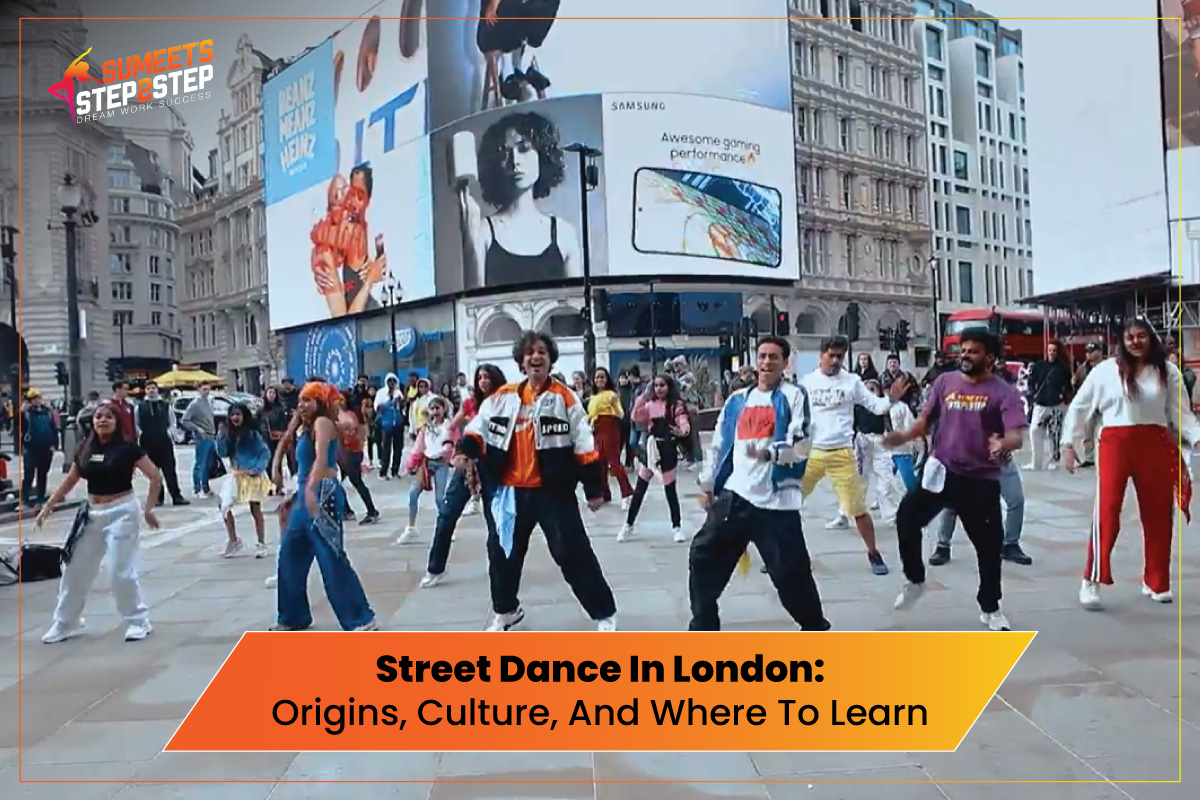
Street dance has always carried more than just rhythm in its steps. Behind the sharp movements, freestyle sessions, and explosive energy lies a deeper story of self-expression, resilience, and community pride. London, a city that thrives on diversity, has embraced street dance in its own way, turning it from a passing influence into a thriving cultural identity. From the raw energy of Southbank battles to the polished performances that light up international competitions, the capital holds one of the most exciting street dance scenes in the world.
Street dance is a term that groups many styles of dance that began outside of formal dance studios, situated in an urban context, and developed organically at block parties, clubs, and in communal spaces. There is a strong link to music, and telling the story through the style goes beyond entertainment. Street dance employs an attitude and is a discourse between the dancer, the beat, and the audience.
Freestyle improvisation consists of completely authentic free flow when compared to traditional styles. The energy of cypher, the rush of a battle, and the pure free flow experience, produce authenticity and atmosphere. Each dancer brings a story into the movement, which is why no two sessions ever feel the same.
Street Dance began to impact London during the late 1980s to early 1990s. Hip-hop music was spreading fast, American films were filling cinemas, and music channels like MTV were reshaping youth culture. Movies such as Beat Street and Breakin’ planted seeds of inspiration for young dancers across the UK, particularly in neighbourhoods where music and creativity already played a big role in daily life.
But what happened in London wasn’t simply a replay of what came from the US. The dancers at the time were able to take dances, but would layer their own culture onto the moves, the communities from London’s Afro-Caribbean community, as well as African dance traditions, Asian influences as well as punk and grime culture all played a pot in the scene. So while the dances themselves had global influences, they had their own energy, a London street dance.
Groups like Diversity, Flawless, and Boy Blue Entertainment showed quite how far the city had come. By performing on the global stage of the London 2012 Olympics, they showed the world that London street dance was, and is, credible beyond a trend. It was shaping one.
Breaking started in the Bronx during the 1970s and was closely tied to the rise of hip-hop culture. It mixes explosive athletic moves with rhythm and style, making it both powerful and creative. Dancers use toprock to set the rhythm, then drop into floorwork and spins known as power moves, before finishing with a freeze to lock in the moment.
Locking carries a playful and funky personality, with roots going back to California in the late 1960s. The moves often involve quick wrist flicks, arm gestures, and sudden “locks” where the body pauses sharply before flowing into the next step. Expressions are exaggerated, with dancers often smiling and pointing to the crowd, which makes locking an entertaining style for audiences.
Popping is one of the most technical street dance styles, first developed in Fresno, California, during the 1970s. Popping can be combined with robotic motion, waving through the body, or creating illusions of slow-motion and strobing effects. London’s popping community is highly respected, with dancers often gathering at jams to trade techniques and showcase new combinations.
Krumping arrived much later than many other street dance styles, emerging in Los Angeles during the early 2000s. It is aggressive, expressive, and deeply emotional. Dancers use chest pops, stomps, arm swings, and rapid movements to release energy and emotion. The style now appears in battles, workshops, and performances where dancers show just how raw and heartfelt movement can be.
Boogaloo is smoother and more flowing than other popping-based styles. Originating in Oakland during the 1970s, it focuses on rolling movements through the hips, knees, and head. The result is a style that feels fluid and playful, almost as if the dancer’s body is liquid moving to the beat.
House dance originated from the underground clubbing scene in Chicago and New York, along with the rhythms of house music from these spaces. It is recognized for its quick and useful footwork, relaxed yet energetic movement of the torso and arms, and intricate footwork. London’s house community is rich, with club nights and classes on a regular basis, along with house jam sessions.
The animation and robotic styles are striking in that they portray aspects of slow-motion, stop-motion, and machine-like precision. Dancers might look as though they are gliding, rewinding, or even freezing time with their bodies. It’s a style that works both in raw street performances and polished stage productions.
Litefeet is one of the newer additions to the street dance family, emerging in Harlem during the early 2000s. The style has energy, is youthful, and is full of character. Litefeet usually includes quick footwork, spins, hat tricks, and clever, creative use of props. The feeling of the steps is of lightness and bounciness, making it look like it takes little effort, even though it requires high levels of coordination.
Street dance theatre in London is not only what is taught in classes. It is a cultural language, connecting fashion, slang, music, and community space. Dancers see themselves, not just as performers, but as storytellers. They see the body as the voice, and each movement tells a story of identity, resilience, or joy.
For many, especially youth, street dance has been like a lifeline. It builds confidence, creates belonging, and provides a healthy escape from negative distractions. Street dance is accessible. It approaches dance simply by needing music, space and a willingness to get moving. Over the years, projects in the community and youth clubs have used street dance to engage young people, to empower them, to take them away from crime, and to discover skills and a pride in themselves.
Beyond the social impact, it also improves physical fitness, flexibility, and teamwork. The hours spent practising freezes, power moves, or grooves are bonding moments that create lasting friendships.
Street dance in London is never hidden away. Some of the best shows happen right in public spaces.
Southbank: Near the skatepark, you’ll often see breakers and freestylers gathering in circles, testing each other’s skills.
Covent Garden: An iconic tale of street performances where dancers share space with musicians and beatboxers to develop crowds.
Trafalgar Square and Leicester Square: both sites see sporadic performances.
Notting Hill Carnival: One of London’s biggest celebrations of Afro-Caribbean culture, with dance, music, and endless rhythm filling the streets.
Of course, street dance has also made its way to formal stages, festivals, and even West End productions. But there’s something unmatched about catching a raw performance on the street. It reminds you where it all started.
London is one of the best places to learn street dance, as the city offers ‘realness’ and diversity. You will encounter pioneers that have influenced the scene locally and international teaching staff who can share knowledge based on the roots of each style.
Diversity of Teachers & Culture: Learn from dancers who have global and local experience.
Solid Community: Regular jams, workshops and battles keep the inspiration going.
Career Opportunities: Lots of studios have links to casting calls, music videos and live work.
Personal Development: Dance develops your confidence, discipline and identity.
Getting lost in fun: dance is fun, beats, movement, people
Joining a class or a jam session isn’t just about picking up steps. It’s about connecting with a culture that values individuality and creativity.
In London, we are still writing our street dance story, and that is the beauty of it. Since our origins as importers of influence, we have now started to self-sustain our culture of creativity, diversity, and passion. Each battle at Southbank, cypher in a community hall, and performance at a festival acts as another page in this living history.
For anyone thinking of joining that journey, Sumeet’s Step2Step Bollywood Dance Academy provides a forum to follow your passion and rhythm. A place to learn and develop, but also a place to showcase your style.