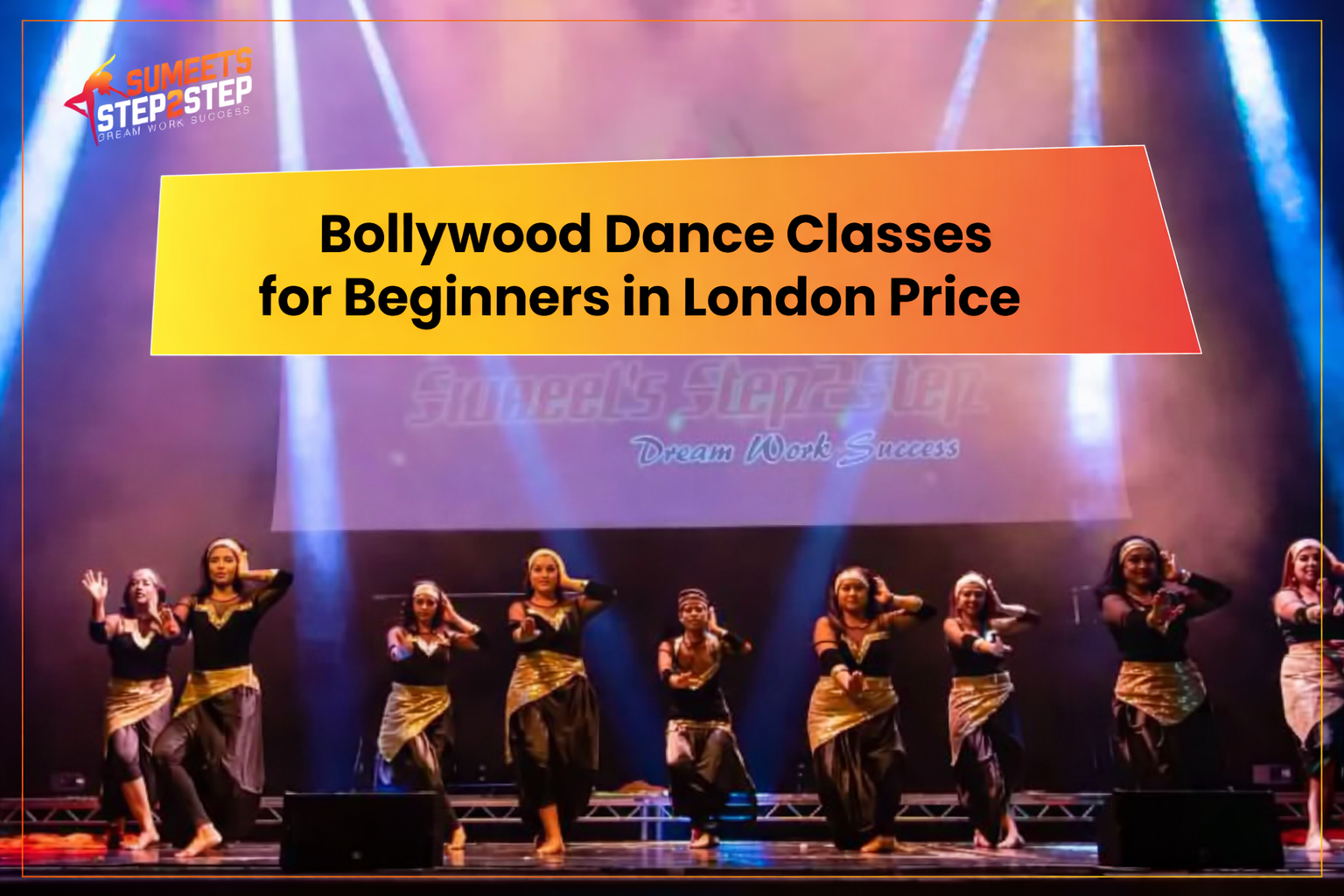
It might be hard to find your rhythm in a city as fast-paced as London, but Bollywood dance has a unique way of making you feel like you’re having the fun of your life while still working out. If you’ve ever tapped your toes to a fast-paced song in a movie or felt a rush of happiness after a wedding performance, you’ve probably thought about taking a lesson. But for a lot of beginners, the jump from watching to doing seems scary. You might find yourself scrolling through search results, worrying about the cost, your lack of coordination, or whether you’ll be the only one who doesn’t know a thumka from a bhangra kick.
The good news? Bollywood dancing is very popular in London, and it’s surprisingly easy to get into. This guide is meant to take away the fear element by laying down the pricing, the culture, and what it’s really like to go to a studio for the first time.
Most people assume that to start dancing, you need the grace of a ballerina or the stamina of an athlete. Bollywood dance flips that script. It is an unapologetic celebration of expression. Because the style is a “masala” (mixture) of influences, ranging from traditional Indian classical and folk styles like Kathak and Bhangra to modern Jazz, Hip-Hop, and Middle Eastern belly dance, there is no single “right” way to move.
For a beginner, this variety is a safety net. If you aren’t particularly flexible, you can lean into the rhythmic footwork. If you struggle with complex footwork, you can focus on the expressive “mudras” (hand gestures) and facial expressions.
In a beginner’s class, the goal isn’t to prep you for a world tour; it’s to get you moving. Instructors typically choose tracks with a clear, steady beat that makes it easy to find the “one.” You aren’t expected to master a four-minute routine in an hour. Instead, the choreography is broken down into “eight-counts.” You’ll learn a slice of movement, repeat it until the muscle memory kicks in, and then slowly layer on the next piece. It’s a building-block approach that ensures nobody gets left behind in a cloud of confusion.
The most common phrase overheard outside a London dance studio is: “I’m just not very coordinated.” Here’s the reality: neither is anyone else on their first day. Bollywood dance classes in London are specifically designed with the “non-dancer” in mind. Instructors expect you to stumble, to turn left when everyone else turns right, and to occasionally lose your balance. In fact, the communal “oops” moments are often where the best friendships are formed. The environment is inherently social and supportive. Unlike competitive dance environments, Bollywood studios focus on the feeling of the dance. If you’re smiling and moving to the beat, you’re already 90% of the way there.
Dance is one of the less expensive ways to keep active and social in London, which is known for being expensive. However, the rates are very different depending on how “Vibe” the studio is and how close it is to the Underground.
| Class Type | Price Range (Per Session) | Best For… |
| Taster/Trial Class | £10 – £25 | Testing the waters without a breakup fee. |
| Drop-in Group Class | £12 – £20 | People with unpredictable schedules. |
| Monthly/Term Block | £130 – £150 (Average) | The committed learner looking for a discount. |
| Private 1-on-1 | £45 – £80 | Wedding prep or deep-seated shyness. |
| Online Live Sessions | £15 – £30 | Learning in your pajamas from a London pro. |
While a £18 drop-in fee might seem steep, most London academies, like Summet Step2step, offer class passes. When you buy a block of 5 or 10 classes, the price per session often drops to the cost of a fancy sourdough pizza.
For 95% of beginners, a group class is the way to go. There is a specific energy, a “collective buzz”, that happens when twenty people hit the same move at the same time. It’s motivating. When you see the person next to you struggling with the same shimmy, it lowers your cortisol levels and makes the learning process feel like a shared adventure rather than a solo test.
Private lessons are a luxury, but they serve a purpose. If you are preparing for a specific event (like a choreographed performance for a friend’s Sangeet) or if you have physical limitations that require a tailored pace, one-on-one coaching is invaluable. You’ll progress five times faster, but you’ll miss out on the social high of the group environment.
If you’re nervous about walking through that door, knowing the itinerary can help settle the butterflies.
Not all Bollywood classes are created equal. Some lean heavily into Bollywood-Fitness (think Zumba with more hand gestures), while others focus on Commercial Bollywood (the slick, backup-dancer style you see in modern films).
When choosing, ask yourself:
While you might join for the cardio, you’ll likely stay for the mental health benefits. London life is notoriously stressful such as the commuting, the weather, the “always-on” work culture.
If you’re in London and looking for a place that specifically understands the “beginner’s brain,” Summet Step2step Bollywood Dance Academy is a standout choice. They specialize in making the complex feel simple. They don’t just teach you how to dance; they teach you how to enjoy the process of learning to dance.
The most important thing to remember is that every expert was once a beginner who decided to show up.