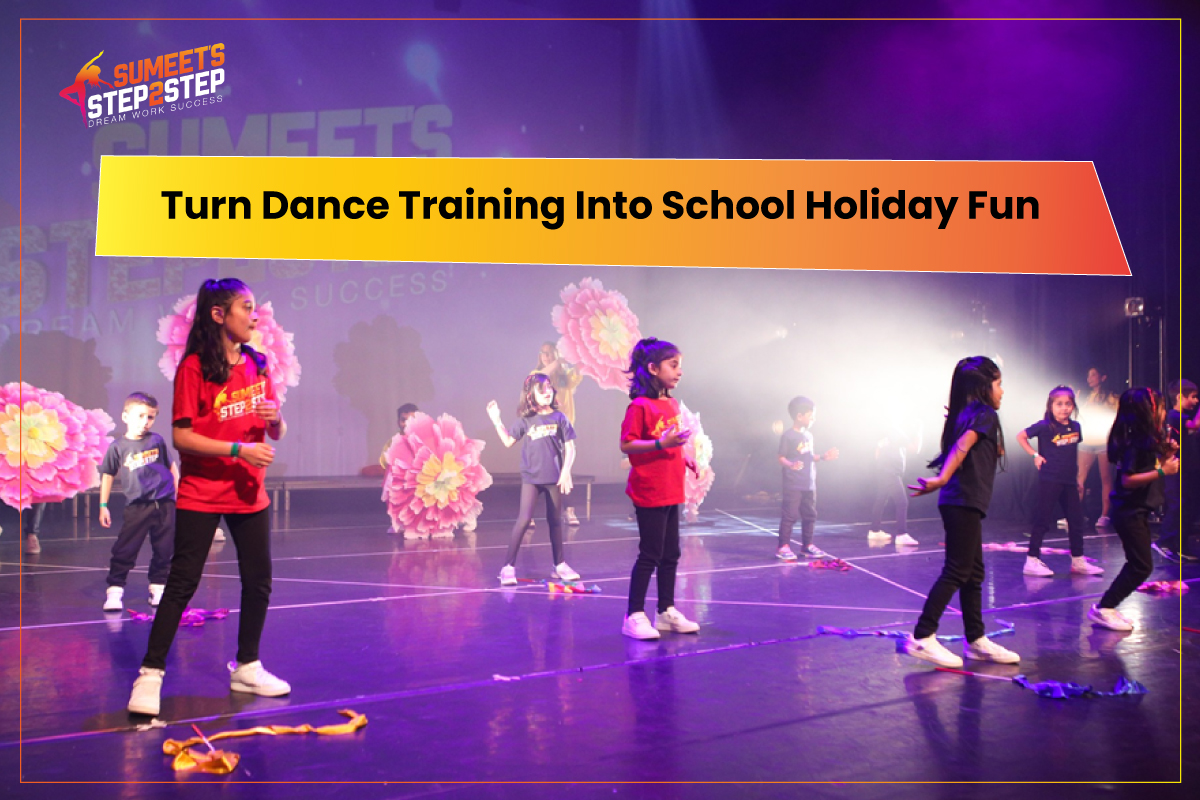
School holidays are exciting, no doubt about it. Kids get time off from the usual classroom routine, and the freedom feels great for a while. But before long, many parents start hearing those two dreaded words: “I’m bored.” That’s when it’s time to bring something fresh and engaging into the mix. Dance is the best. It’s fun, physical, enjoyable, and creative, and learning can happen without feeling like a lesson.
And here’s the best part: you don’t need to be a pro to get started. You can turn dance training into fun with a few smart choices and a little imagination. Let’s break it down into easy parts, into things you can do at home or sign up for locally. The goal? Keep the kids moving, learning, and having a blast while they’re at it.
Before anyone starts jumping or twirling around, stretching is the best place to begin. It’s a great way to gently wake up the body and ease into movement. It also teaches kids to care for their muscles, helping them understand how to move safely and avoid getting hurt. Think of stretching as the warm-up act before the main show.
Turn it into a game so it feels less like an exercise and more like fun. Pretend you’re animals and stretch like a cat, flap like a bird, and roll your shoulders like a sleepy bear. You can use storytelling to guide the movements, making it easier for little ones to follow along. For older kids, introduce short stretch routines to their favourite music. The rhythm helps keep them focused and makes the process more enjoyable.
Once the school bell stops ringing, regular activity often drops without us even realising it. School days have built-in movement that includes walking between classes, playground time, and even standing in line. During holidays, the structure goes out the window. That’s where dance comes in.
It gives kids a reason to move without feeling like they’re doing exercise. And it doesn’t always have to be full-on routines or classes. A kitchen dance party while baking? Totally counts. A bit of morning movement to wake up? Also good. Make dance training fun by incorporating movement into their day incrementally.
Dance builds strength, posture, and balance while keeping energy levels up. This helps develop coordination and enables children to think about how their bodies move in space, and moreover, there is an exceptional little thrill about being able to control one’s movement and to accomplish a move perhaps never achieved before. The feeling of progress for children is quite a motivating experience.
Workshops are like mini dance camps: concise, focused, and full of energy. They’re especially great during school holidays because they give kids structure while still keeping things playful. No pressure, just participation.
Many local studios provide holiday programmes for all different ages and abilities. Some offer low-end theme classes such as “Princess Ballet,” “Hip Hop Heroes,” or “Broadway Beats.” These workshops often end with a mini showcase, giving kids a goal to work towards and a chance to perform what they’ve learnt.
Workshops introduce children to new dance forms of movement they may not explore otherwise. One session they’re learning salsa, and the next it’s street style or contemporary. This kind of variety keeps things interesting and opens their eyes to the wide world of dance.
A good mindset turns a decent dancer into a great one. But this isn’t about chasing perfection. It is about teaching children to feel good about trying, making mistakes, and learning through the process. Dance can sometimes seem intimidating, especially to beginners, so creating a safe and encouraging environment is really significant.
Cheer them on even when they are wobbling or messing up. Praise their effort, not just their results. Did they try something new today? Celebrate that. Did they show up, even when they felt unsure? That’s huge. Kids who feel supported are more likely to keep going, even when something feels hard.
Help them learn that dance is a journey. Every dancer, even the professionals, has days when nothing goes right. What matters is the love of movement, the joy in progress, and the freedom to express themselves.
Let’s talk about games, because they’re where the fun explodes. Dance games combine movement with imagination, and they’re perfect for both solo play and group sessions. You don’t need any fancy tools. Just some music, space to move, and a bit of creativity.
Start with classics like freeze dance, in which music plays, everyone dances, the music stops, and everyone freezes. Easy and always funny. Or try “copycat,” where one person does a move and everyone else follows. For more giggles, add random challenges: “Dance like popcorn popping” or “Do your best robot walk.” These little prompts spark creativity and often end in a fit of laughter.
Learning through dance goes beyond just moves. It develops focus, memory, pattern recognition, timing, and even early math skills like counting beats. But when it’s packaged with fun, kids don’t see it as a lesson; they see it as playtime.
Let them choreograph a short routine. Give them five moves and let them mix them up. You can also try rhythm clapping to help build timing or ask them to match movements to different music genres. Classical might inspire floating arms, while hip hop calls for sharp, bold steps.
There’s also room for personal expression here. Let them name their moves or create their own dance personas. Call it “Ninja Twirl” or “Rainbow Bounce.” The sillier, the better. It all adds up to confidence and creativity, two things that go a long way—both on and off the dance floor.
Every child has an individual connection to dance, whether it is through the clear and structured world of ballet, the loose and funky, freedom-based forms of street dance or something else entirely. Providing opportunities for all styles allows children to try new things in a refreshing way and discover what they genuinely like to do.
Change things up by playing different genres and styles of music. One day it could be classical music; another could be K-pop. Ask how the music makes them feel and begin to see how their movement alters change. Some children will need direction to seek out their style; others will jump in and find their groove right away.
Letting the children lead this exploration process allows them to develop self-awareness. They will also learn that it is okay to try something and not fall in love with it. That freedom to explore without judgement is a big deal. It makes the whole experience less stressful and more enjoyable.
The school holidays don’t need to drag on or feel like a struggle to stay busy. You can turn dance training into school holiday fun by keeping things light, varied, and interactive. There is joy in movement with friends and family.
Dance is for every child. From stretching and structured workshops to silly games and self-choreographed pieces. Dance keeps children active, builds confidence, and sparks creativity, and the best part is children have the best time and love moving.
At Sumeet’s Step2Step Bollywood Dance Academy, we turn passion into rhythm and every move into a celebration. Our holiday programmes are full of fun and come with a heavy dose of learning. At Sumeet’s Step2Step Bollywood Dance Programs, we help young dancers shine with their confidence, creativity and Bollywood grooves.