

If you are suffering with hearing loss and struggling to pick up conversations it may be the right time to look at the option of hearing aids as a solution.
Statistics show that, on an average, most patients take 8 years to make the decision from symptomatic hearing loss to wearing hearing aids and implants, which is why it is so important to be informed on the who, what, and where?
As there are many different types, styles, and manufacturers available in the market, it can become confusing to figure out an ideal hearing aid option.
What Are Hearing Loss Symptoms?
Now, let’s go through the symptoms of hearing loss.
Hearing loss can affect patients in many ways as we have found over the years in our clinics in Birmingham.
Most often you find that patients complain of the following symptoms associated with hearing loss
- Asking people to repeat themselves
- Having to turn the TV volume higher than a partner or family member desires
- Assuming other people are mumbling around them
- Struggling to hear conversations in small groups or in a noisy environment
- Finding it difficult to keep up with conversations when someone is not facing them
- Finding it tough hearing on the phone
What Is The Social/ Mental Impact Of Hearing Loss?
The social impact of hearing loss can be significant. You often find that most patients coming into our hearing assessments are tense and anxious. This is primarily because they are struggling to hear conversation which then requires a greater deal of focus.
Patients often isolate themselves from social situations often finding they cannot contribute in conversations because of mishearing / not hearing. They also stop going to social events and gatherings which they once enjoyed for the fear of looking silly if they miss out on that punchline.
The hearing brain connection
Research has shown a strong association between untreated hearing loss and cognitive decline, along with an increased risk of dementia and cognitive disorders.
Addressing hearing loss early can help mitigate the risk of cognitive decline and improve overall brain health.
Wearing hearing aids means the brain does not have to work hard to hear. Other parts of the brain do not have to get involved in the auditory hearing process. Thus, the fatigue associated with having to concentrate on speech with an appropriate prescription is reduced.
How Can Our Hearing Aids Benefit You?
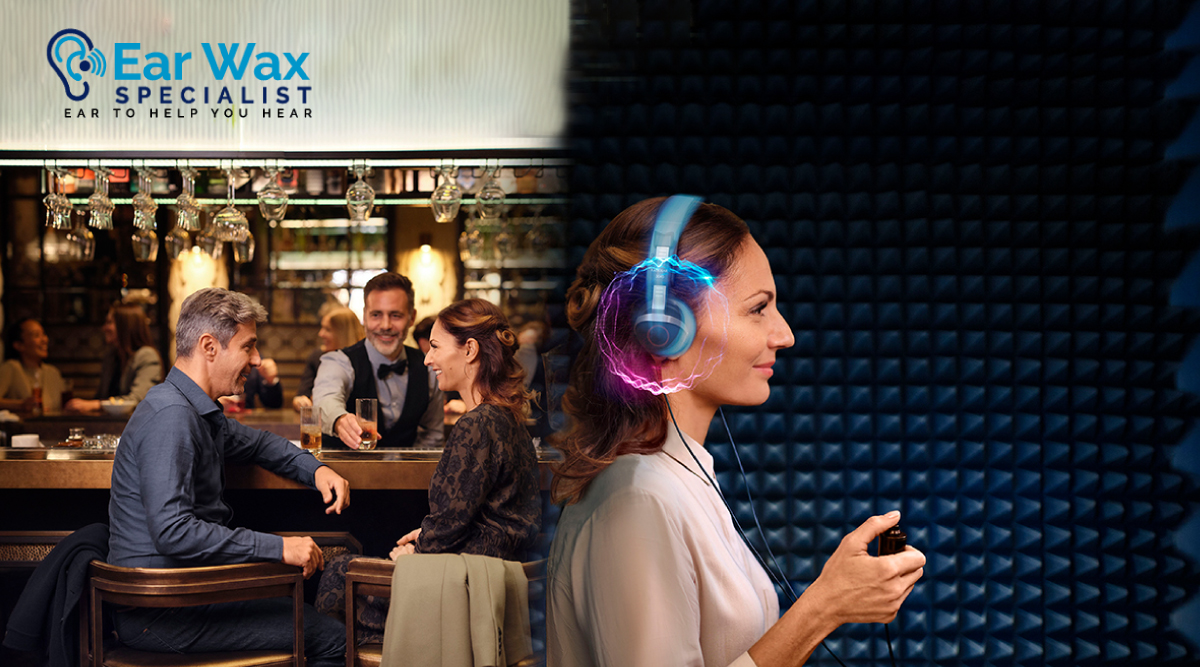
Hearing aids have benefited our patients in many ways. From our personal experiences, based on 30 years of fitting hearing aids, here are the immense benefits.
Hearing aids help you to hear conversations with your family far better.
Such devices have helped our patients listen better in social situations allowing them to continue enjoying their favourite activities and hobbies. They can independently go to the theatre, bowling clubs, attend social dinners etc…
These devices help in reducing isolation by giving individuals back the confidence they need to hear well through accurate hearing aid prescriptions. As people grow older, hearing aid assistance for seniors is quite useful.
Such types of devices help them to hear better on the telephone (especially if they live on their own).
- Hearing aids have helped our patients hear the TV far better with the help of bluetooth hearing aids. Now, individuals don’t miss a single word of their favourite TV programs.
- These devices have helped our patients feel more relaxed in everyday conversational environments, allowing them to be their true selves to engage and contribute in conversations.
How To Get The Best Hearing Aids For You?
The world of hearing aids can be daunting with different manufacturers and different hearing prescription philosophies.
From our experience as audiologists fitting hearing aids and implants for many years, this is what we would do.
- Find a hearing expert who gives you the option of hearing aids from all the manufacturers
- Make sure they are an established reputable company with good social review and are experts in their field
- Make sure you always try hearing aids for a week in group situations to assess value. A good independent hearing center should always allow you to try different makes and models before purchasing.
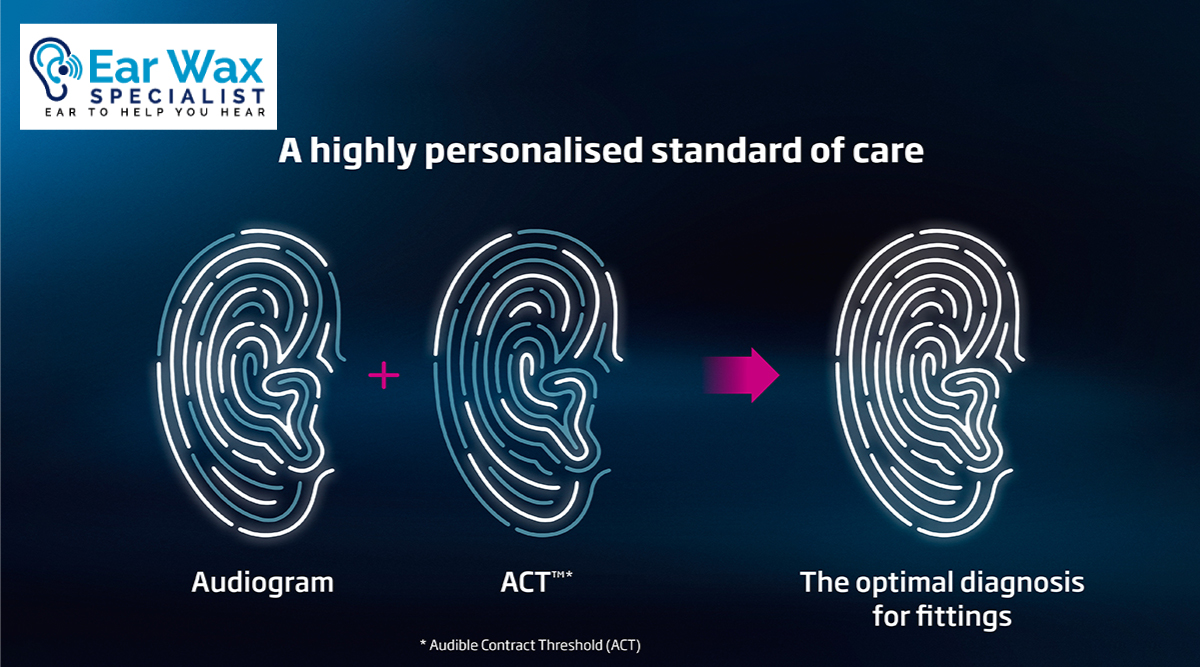
- Make sure they are fitted accurately using real ear measurements.
What Are The Different Type Of Hearing Aids
Hearing aids are available in different sizes and shapes. Below are the main styles of hearing aids available. Broadly speaking, there are three types of categories.
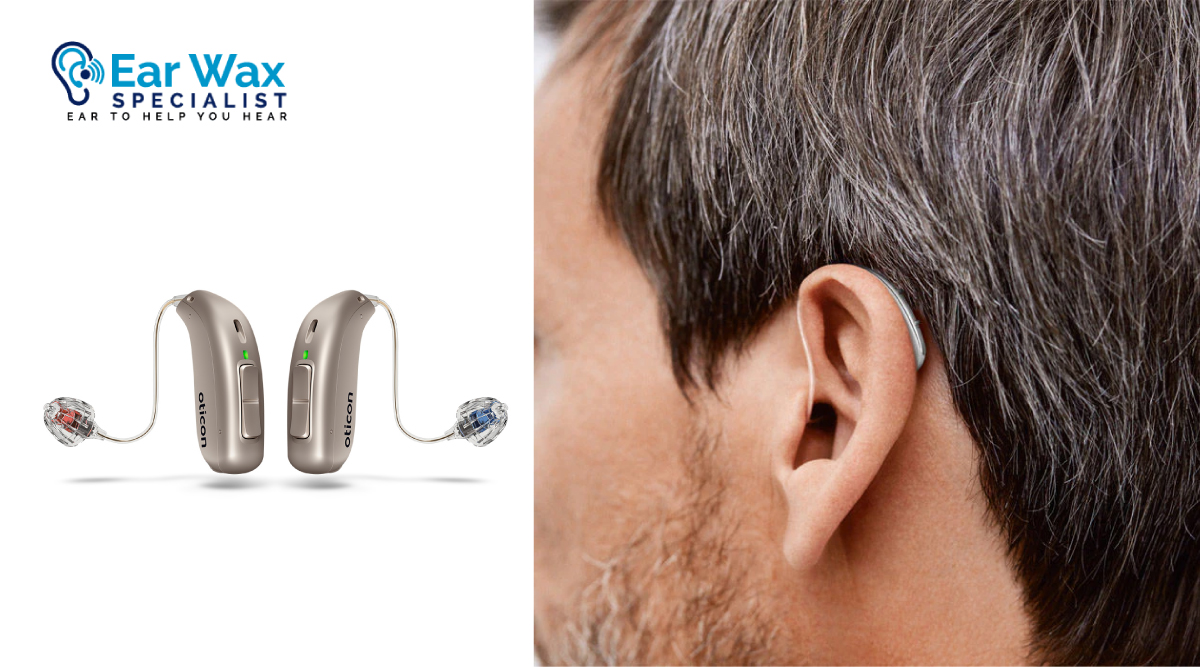
Receiver In Canal Hearing Aids
Receiver in canal technology – This is the best type because of the sound delivery into the ear canal. A RIC (Receiver in canal) hearing aid has a speaker inside the ear canal which reduces the distance the processed sound has to travel into the ear. Thus, the aids allow for a far better quality of sound.
ITE (In The Ear Hearing Aid)

These hearing aids are a discrete option for patients who want to have a hearing aid fit directly inside the ear canal. An impression or mold is taken which allows a custom fit of the hearing aid into your ear canal. The smallest variation is called a complete canal hearing aid which is invisible to the naked eye.
These types of hearing aids are powerful enough to fit any type of hearing loss in old age.
NHS BTE (Behind The Ear) Hearing Aid
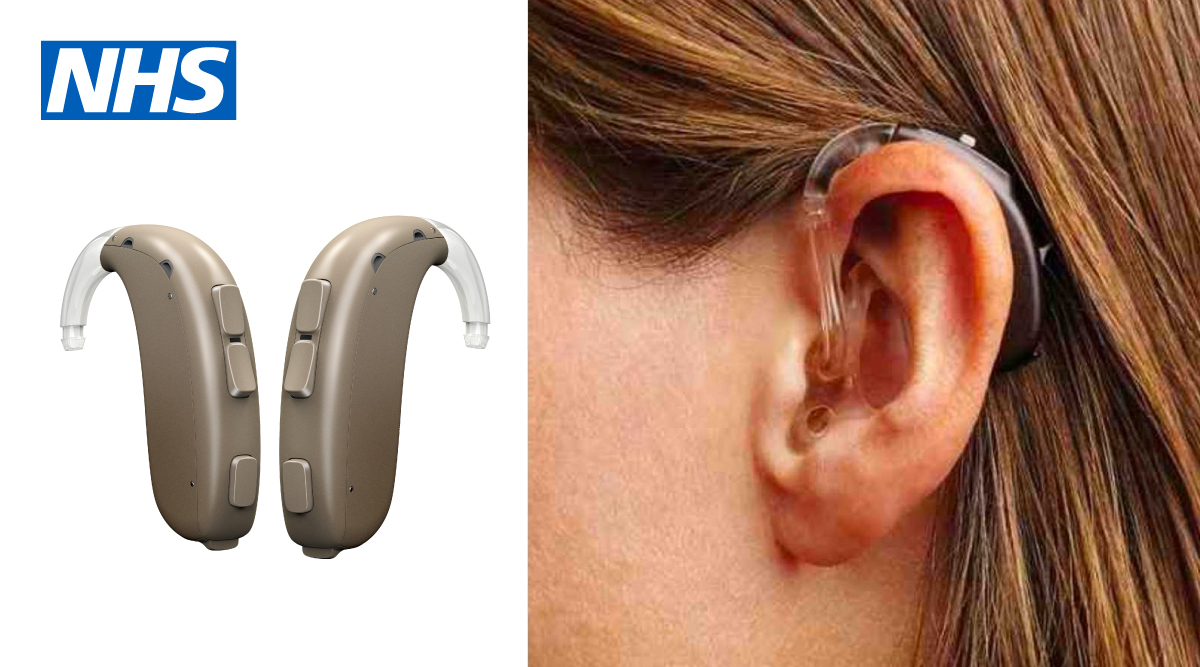
This is the free option available on the National Health Service. You no longer have to bother about seeking financial assistance for hearing aids for seniors.
A traditional BTE (behind the ear) hearing aid has a large piece behind the ear and a mold which fits in the ear. These hearing aids can often be a good starting point for trying the devices. But, they are not as effective as you think in noisy environments.
Benefits Of Getting Hearing Aids From Audiologists
There are many benefits to getting hearing aids from a professional rather than online.
- An audiologist or hearing aid dispenser is an expert in accurate hearing aid fitting. An independent audiologist will provide appropriate aftercare for your hearing aids for up to five years which includes fine tuning and repeat hearing tests every year.
- An independent audiologist will give you the time you need because they are not as busy as many of the high street chains who work on very tight schedules
- There is no waiting list as you are usually seen within a week and your state-of-the-art hearing aids are fitted all within 1-2 weeks
Hearing aids are always fitted to best practice. This means that we use a host of audiological tests to verify the accuracy of your hearing aid fitting. We also use real ear verification to ensure that the correct sound level is arriving at your ears. This is ensured by using probe microphone measurements inside your ear canal. You will find that most high street providers do not provide this vital test to verify your prescription.
We also provide ‘speech in noise testing’ to test the capabilities of your hearing aids, in background noise again, to verify the level of noise reduction for optimal benefit.
New AI Processing Chips
The new AI processing chips available in the Phonak and Starkey range are fantastic at tracking your speech environment and automatically adjusting the microphone array. They also are good at introducing noise reduction to cut out background noise.
In the last 6-12 months, this has allowed for a leap in improved signal to noise ratio allowing you to hear even better with background noise.
After Care With Hearing Aids
The level of aftercare that is provided with a hearing aid is absolutely vital in the maintenance and management of your hearing loss. You will need appointments for fine tuning to ensure your hearing aids are working optimally. This is important because hearing aid prescriptions get worse over time and it is important that your provider is available for repeat hearing tests and ongoing maintenance with your hearing aids.

What Causes Hearing Loss?
As with most things, you find that as you get older you may not necessarily process information in the same way you once did. This is the same for your eyes as well as your ears. As you get older you find that your hearing deteriorates in the higher frequency register which makes softer sounds in speech more difficult to detect. The softer sounds in speech may be the sound ‘sh’ in the word ‘shut’ which then often leads to mishearing certain words or sounds. This type of hearing loss is called presbycusis (age related hearing loss)
Hearing loss can also be acquired as a consequence of a medical pathology such as
- Mastoidectomy Operation
- Chronic Glue Ear
- Sudden viral infection of the ear causing sudden hearing loss
- Genetic hearing loss from a young age
Below are some of the options you have available when picking the right provider for you.
What Hearing Aids Are Available For Adults For Free Or At A Low Cost?
NHS Hearing Aids
NHS hearing aids are free of charge. The NHS will provide you with an open BTE hearing aid measured and programmed to your hearing prescription to rectify your hearing loss. This device can be a good start especially if you have never worn hearing aids before.
The technology in NHS hearing aids is usually several generations behind some of the private hearing aids you can purchase. However, it is a good starting point. The disadvantages are that you may still have issues in processing speech in background noise which usually tends to be the biggest obstacle for anyone with hearing loss in old age.
Hearing tests are provided free on the NHS if you are over 65 and eligible. A NHS hearing test is always a good starting point if you want to look at the option of addressing any hearing difficulties you may currently have.
There is a huge amount of variability in the types, style, manufacturers of hearing aid that you can go for. This can be quite confusing especially when considering that there are hundreds of types and styles of hearing aids available in the market at any given time.
Are NHS Hearing Aids Any Good?
NHS hearing aids are a good start if you have never worn hearing aids previously. They will provide you with adequate amplification you need to hear well in one-to-one situations. They also can come with a background noise program which can cut down some of the noise in more complex situations. Although, this is limited.
Free NHS hearing aids can also come with a telecoil option or, in some cases, a Bluetooth option allowing you to hear better at the theatre or cinema.
As you get help with NHS hearing aids, these are programmed to your hearing test prescription giving you an accurate level of amplification for your hearing loss.
Cons Of NHS Hearing Aids
Everyone gets the same style and shape of hearing aid regardless of the prescription. This is a one size fits all policy due to the limitations and budgets available within the NHS framework for adult hearing services.
You often only get one hearing test, every three years, which does not allow for any changes in your hearing to be considered before then.
You do not benefit from the latest hearing aid technology which usually means limited perceived benefit in group situations or in background noise.
Should I Purchase Private Hearing Aids?
The most significant issue when comparing NHS and private hearing aids is the cost. The average hearing aid can cost a few hundreds pounds up to two to three thousand pounds for a pair. The cost varies depending on the level of automation, noise reduction capacity, and channels you want or need in the product.
Private hearing aids are far superior to free NHS hearing aids due to their ability to cut down background noise far more aggressively. This is due to the faster processing chips in the hearing aids which allows for seamless background noise suppression in any environment.
Private hearing aids are also wireless which means they tend to work together as a pair sending vital acoustic information across to each ear. Thus, the feature allows you to focus on speech even in difficult listening environments. So, what are you waiting for? Get help with hearing aids right away.