

Blog Summary
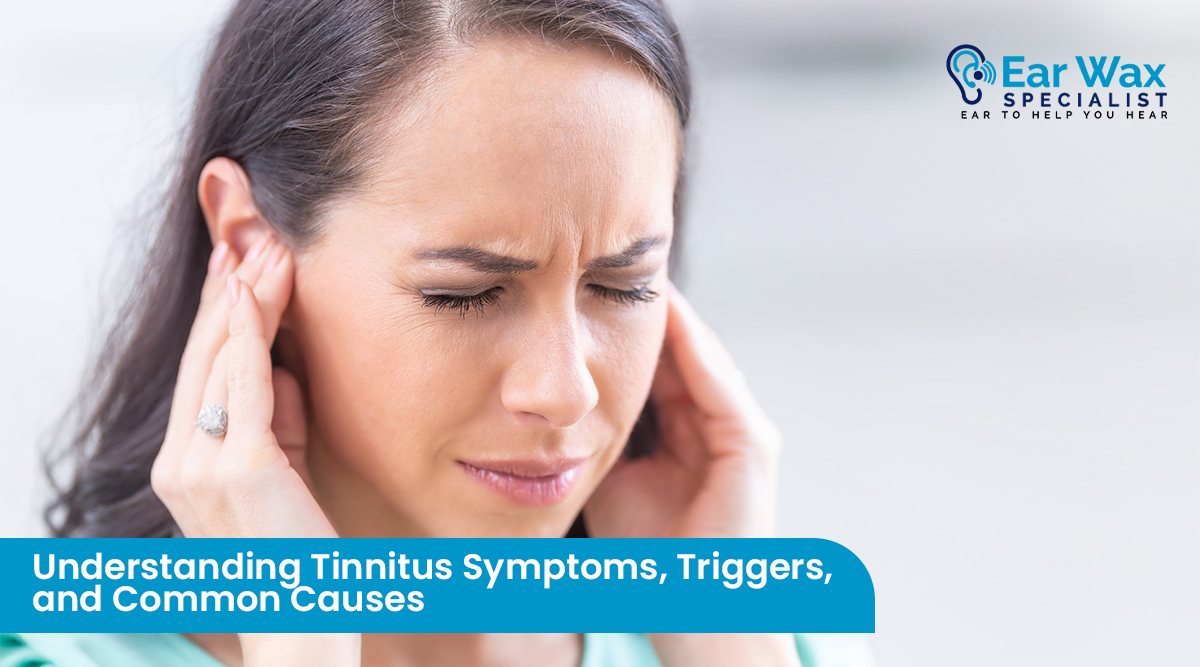
Tinnitus affects millions of people, and its sound can vary from a small ringing to a buzzing sound. The experience differs a lot between one person and another, and at times, understanding it is quite tricky. The post will look at some common causes and patterns, physical aspects, and when an individual needs evaluation for their condition and why awareness is so important when dealing with it. Proper ear care and earwax removal also count when dealing with the condition and its effects.
Introduction
Tinnitus is condition that causes confusion in people. To some individuals, it means experiencing the faint ringing of sounds occasionally. To another person, it means being constantly annoyed by loud buzzing sounds or even pulsing. However, the definition of the sounds experienced varies from day to day. Therefore, it is hard to clearly understand the definition of tinnitus and all it entails. This article will provide information on the different symptoms of tinnitus, the triggers, and the physical factors involved.
What Is Tinnitus And Why Symptoms Can Feel Different For Each Person
Tinnitus is not a disease itself but a symptom. It signals that something in the ear or the related auditory system is affecting how sounds are perceived. That explains why tinnitus can feel different for each person. According to the National Institute on Deafness and Other Communication Disorders, tinnitus can sound different for each person, ranging from ringing and buzzing to clicking or humming noises.
What Causes Tinnitus In The Ears
When people ask what causes tinnitus in the ears, the answer is usually multifactorial. Changes in how sound signals travel from the ear to the brain can produce noises that seem to come from inside the ear. This can involve the ear canal, the eardrum, the tiny bones of hearing, or the auditory nerve.
Physical factors include exposure to loud noise, age-related hearing changes, jaw and neck tension, or earwax blockage. Even though tinnitus can appear without a clear trigger, this does not always indicate a serious medical condition. Many triggers are manageable once identified.
The NHS states that tinnitus is sometime linked to some form of hearing loss, certain medical conditions such as Ménière’s disease, diabetes, thyroid disorders, or neurological conditions like multiple sclerosis.
Why Tinnitus Symptoms May Change, Fluctuate, Or Feel Unpredictable
Tinnitus rarely stays the same. Some days it may feel quieter, other days louder or more intrusive. Stress, fatigue, background noise, and hydration can all influence how noticeable tinnitus feels. Many people notice that it changes during the day without a clear reason.
However, this unpredictability can create anxiety as the brain responds more to the sound perceived as unusual or troublesome. Rhythm is perceived more as the brain becomes familiar with sound patterns.
Why Tinnitus Often Feels Worse At Certain Times Of The Day
It is common for the experience of tinnitus to fluctuate throughout the day. People frequently report that symptoms become more noticeable at night or in the morning. Understanding these patterns can help with coping strategies.
Why Tinnitus Symptoms Often Feel Worse Or Louder At Night
Some of the frequently occurring questions that we get are Why Is My Tinnitus Worse At Night or Why Does Tinnitus Get Louder At Night. At night, the loud sounds of the environment decrease significantly, as do the distractions and the focus of your mind. The quieter environment often causes the perceived sound of tinnitus to be louder even if the level of the sound hasn’t increased.
Lying down may also change how blood flows or the way the jaw and neck muscles relax. These subtle changes can make tinnitus when you lie down feel more noticeable for some people.
Why Is My Tinnitus Worse In The Morning
Some tend to wake from a good sleep to find tinnitus present and are concerned about Why Is My Tinnitus Worse In The Morning. They note stiff neck and jaw in addition to this, which can occur because of blood pressure fluctuations during this period. Some report that congestion in the ears may also cause this problem to occur in the morning, which resolves on waking as usual.
Why Tinnitus Can Change With Movement Or Physical Pressure
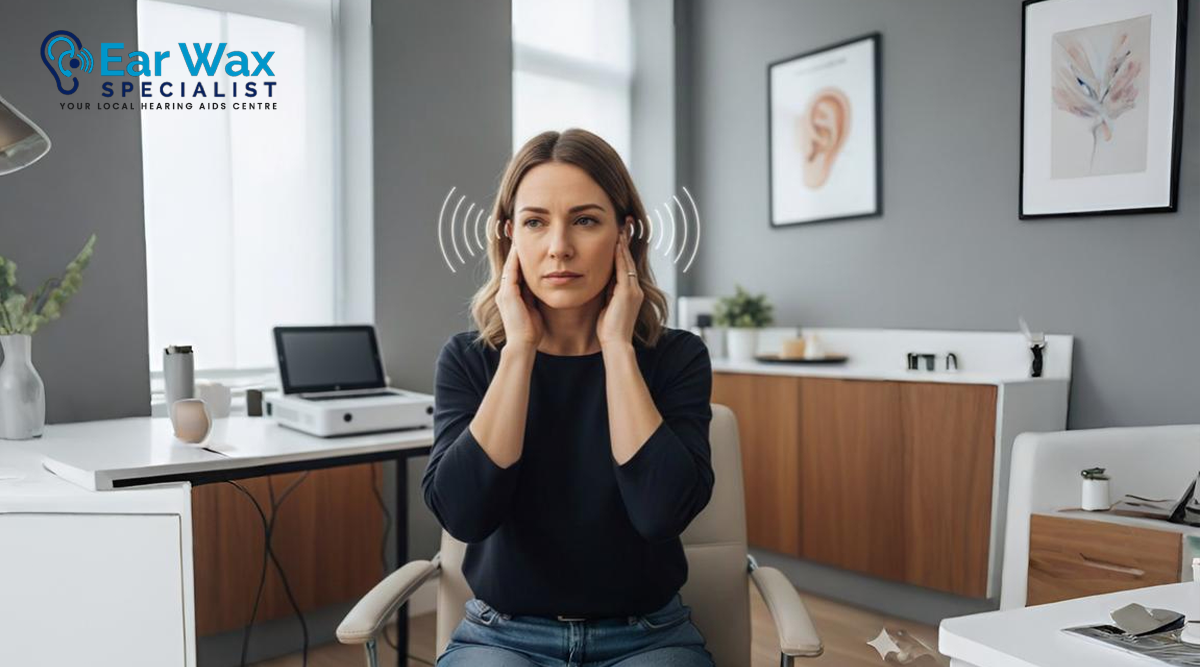
Some people notice tinnitus shifts when they move their jaw, neck, or head. These changes often point toward mechanical or vascular influences rather than purely auditory ones.
Tinnitus Changes Pitch When Moving Jaw
Tinnitus changes pitch when moving jaw usually indicates involvement of the temporomandibular joint (TMJ) or jaw muscles. These structures share nerve pathways with the ear. Tension, clenching, or misalignment can alter how the sound is perceived, often changing its pitch rather than volume. Clicking, grinding, or fullness in the jaw may accompany the sound.
Pulsatile Tinnitus Stops When I Press On My Neck
Pulsatile tinnitus is a rare form of tinnitus that causes a rhythmic whooshing or thumping sound in time with the heartbeat and is often linked to changes in blood flow near the ears, which is why it should always be medically evaluated rather than ignored.
If pulsatile tinnitus stops when I press on my neck, this reflects changes in blood flow near the ear. Pulsatile tinnitus often follows the heartbeat, and altering blood flow can temporarily reduce the sound. This does not necessarily indicate a serious issue, but it is usually a sign to have the ear and vascular system assessed.
Different Tinnitus Sound Patterns And How People Describe Them
Tinnitus does not always sound like ringing. Many describe hissing, humming, buzzing, or clicking. The brain interprets these unfamiliar signals into familiar sounds.
What Does Tmj Tinnitus Sound Like
What Does Tmj Tinnitus Sound Like is often described as low buzzing, clicking, or fluctuating tones that change with jaw movement. Chewing, clenching, or speaking may increase the sound. Jaw-related tinnitus can explain why symptoms fluctuate throughout the day.
Common Physical Factors Linked To Tinnitus Sensations
Some of the physically-related problems in the ear canal can lead to tinnitus. regular ear cleaning helps to maintain good health and reduce irritation that might lead to this problem.
Why Does Ear Wax Cause Tinnitus
Cerumen build up can block the passage of sound waves to the eardrum. This interference can affect how the mind interprets different sounds; in some cases, it can even cause the sounds to be perceived as ringing or buzzing in the ears. The pressure from the impacted wax can irritate the ears in some manner. In most cases of tinnitus caused by impacted cerumen, the symptoms disappear once the cerumen is safely eliminated.
When Tinnitus Symptoms Raise Questions
Not every case of tinnitus requires urgent intervention. Persistent or unusual patterns, however, warrant professional evaluation. You can get ears cleaned to ensure that underlying causes are identified early.
Patterns That May Justify Professional Evaluation Without Assuming Diagnosis
Tinnitus that persists in one ear, changes suddenly, or comes with pain, discharge, or dizziness should be assessed by a clinician. There are cases where some choose to try earwax removal at home but with the help of professionals. It is essential to avoid any dangerous process that can make the condition worse.
Key Takeaways For Understanding Tinnitus At An Early Stage
Tinnitus may feel confusing, yet understanding its triggers may definitely ease one’s anxiety levels. Identifying patterns and learning when to seek a professional’s assistance are essential steps in overcoming anxiety.
Why Early Awareness And Accurate Information Matter
Early information helps you distinguish between the ordinary, non-serious causes and those that need evaluation. Correct information discourages hazardous practices like putting something in the ears or ignoring the symptoms altogether. Suitable precautions for the ears, extra caution regarding physical aspects, and seeking professional advice when needed, all can gradually minimize the effect of tinnitus. According to the World Health Organization, hearing conditions, including tinnitus, usually result from a number of factors that are potentially preventable, such as noise and poor ear care.
Conclusion
Tinnitus is complex and highly individual. Symptoms vary, fluctuate, and sometimes worsen at night or in the morning. Physical factors, including jaw tension and cerumen build up, may play a role. Safe ear care, observation of symptom patterns, and professional evaluation when needed are key to managing tinnitus effectively. Addressing these early can prevent complications and help maintain long-term hearing health.
Medical Disclaimer
This article is for educational purposes only and does not replace professional medical advice, diagnosis, or treatment. Always consult a qualified healthcare professional for tinnitus or other hearing-related concerns.
Author (To be filled by client)
Written by:
Medically Reviewed by:
Last Updated:
References
- National Institute on Deafness and Other Communication Disorders (NIDCD). Tinnitus: Symptoms and Causes [Internet]. U.S. Department of Health & Human Services; [Accessed 23 Jan 2026].
Available from:
https://www.nidcd.nih.gov/health/tinnitus#symptoms - National Health Service (NHS). Tinnitus [Internet]. NHS; [Accessed 23 Jan 2026].
Available from:
https://www.nhs.uk/conditions/tinnitus/ - Cleveland Clinic. Pulsatile Tinnitus [Internet]. Cleveland Clinic; [Accessed 23 Jan 2026].
Available from:
https://my.clevelandclinic.org/health/diseases/23422-pulsatile-tinnitus - World Health Organization (WHO). Deafness and hearing loss [Internet]. World Health Organization; [Accessed 23 Jan 2026].
Available from:
https://www.who.int/news-room/fact-sheets/detail/deafness-and-hearing-loss