

Ear wax has a fundamental role in protecting the ear from infections and the build up of debris. The reason this is so important is the ear must be protected against infection due to its proximity to the brain. Chronic bacterial infections of the middle or outer ear canal can be detrimental in the long run leading to significant complications.
Ear wax can however build up excessively leading to blockages, discomfort, tinnitus, or hearing reduction. Almost all population demographics are affected by impacted ear wax however it tends to affect older populations more than younger populations. This is primarily because as you get older you find the ear canal narrows hence not allowing for the migration of ear wax out of the ear canal efficiently. In the UK 2.3 million people require the procedure annually.
As specialists in ear wax removal Birmingham we understand the impact of earwax on your daily lives. Worry not, with over 30 years of microsuction experience, our clinical audiologists provide safe, effective solutions for any type of cerumen impaction.
What is Impacted Earwax?
Cerumen is a natural secretion of the ear canal, secreted by modified sweat (apocrine glands) in the first third of the ear canal. Its functional purpose is to expel debris, water, and microbes out of the ear canal. It does this by having a sticky texture to hold on to dirt and also having a hydrophobic surface which repels water preventing its build up in the ear canal.
However, excessive build up can cause problems below are some of the reason why ear wax becomes detrimental in the ear canal
- Cotton buds (pushes ear wax further into the ear canal)
- Narrow ear canals (the narrower the channel the smaller the diameter for ear wax to migrate out)
- Hairy ears – A dense plug of hair at the entrance of the ear canal stops ear wax migrating out of the ear
- Chronic ear infection – More ear wax is secreted by the ear as an autoimmune response to prevent and protect against infection
- Hearing aids or headphones – Both are the introduction of a foreign entity at the ear canal preventing safe passage of ear wax out of the ear
- Dusty environments – Working in these environments increases the build up of debris and dust in the ear canal.
If you experience any of these symptoms, professional earwax removal may be necessary.

Who is Most Likely to Develop Impacted Earwax?
Below is a list of populations who are more likely to develop excessive ear wax accumulation
- Patients with a history of chronic middle/outer ear infection
- Hearing aid users/earplugs (Block the entrance of the ear canal)
- Older patients( Narrower channels )
- Hairy ears (creates a barrier preventing ear wax migration)
- Patients with narrow ear canals (This could be congenital or just patients with very narrow ear canals for any population age group)
- Patients with psoriasis or eczema (build-up caused by flaky skin)
What are the common Symptoms of Earwax Blockage
- Itch dry ears
- Feeling of fullness in ears especially with jaw movements
- Sudden reduction in hearing in one or both ears
- Pain (otalgia) in ears, causing either mild or acute discomfort
- Tinnitus (ringing in your ears)
- Symptoms of dizziness: slight imbalance, especially if ear wax is on the eardrum.

What are the Complications of Untreated Earwax Impaction
If ear wax is left untreated, it can lead to more chronic issues
- Ear wax remaining in the ear canal can cause chronic otitis externa infection
- Tinnitus – This manifests with a comprehensive blockage however, it may remain for a considerable time once acquired
- Pain – This can be quite acute if the ear wax is sitting close or on the eardrum
How Doctors Treat Impacted Earwax
- A full case history of symptoms is taken to rule out any pathology
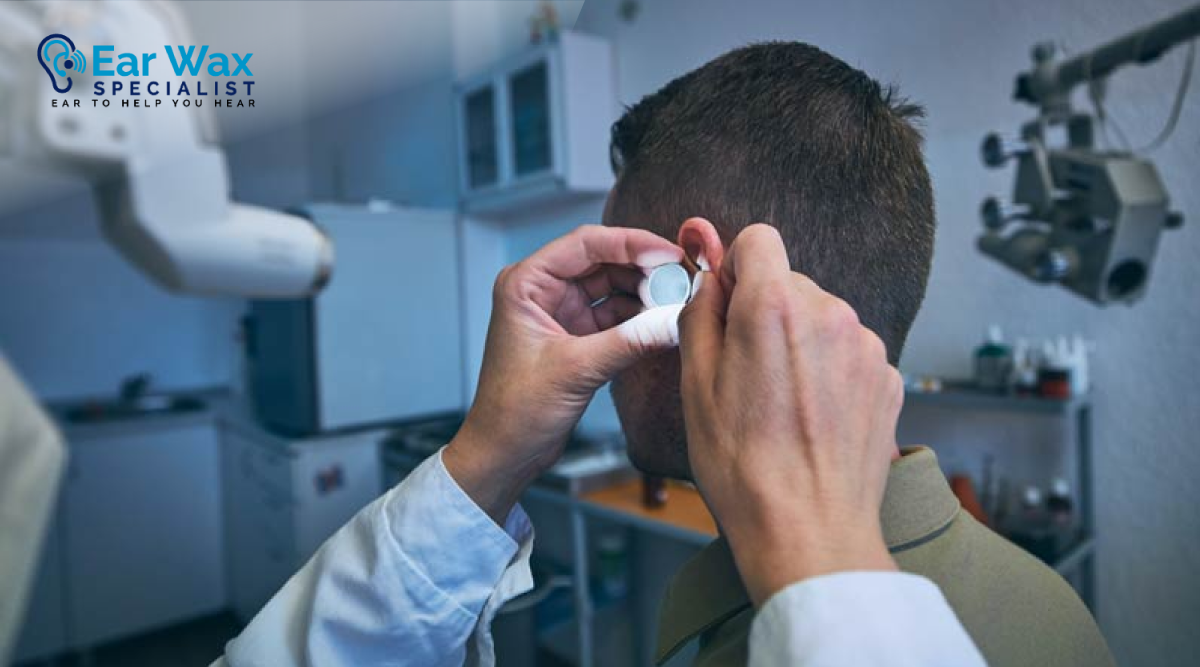
- An otoscopic examination is conducted to determine the health of the ear canal and to detect infection or ear wax
- Tympanometry to check the vibration from the eardrum to rule out any underlying middle ear pathologies
- After establishing ear wax there are one of three procedures that can be used to remove ear wax
- Microsution – The introduction of gentle suction into the ear canal to remove earwax. This is a completely dry procedure and the gold standard method for ear wax removal.
- The use of cerumonolytics like hydrogen peroxide, olive oil, or sodium bicarbonate to soften the ear wax.
- Ear irrigation – using warm water at body temperature to help vacate ear wax out of the ear canal.
- The use of manual instruments (curettage) to remove the ear wax, this is especially important if the patient has pre-existing tinnitus, both of the previous two methods can be quite noisy.
Are there any Safe At-Home Earwax Removal Methods?
It is always best to consult a professional, however there are ways to manage the build up of ear wax at home
- Use olive oil drops regularly (this helps to keep ear wax soft and loose)
- Don’t use earplugs or headphones that go in the ear canal.
- Only clean the outer portion of the ear canal with a wet flannel, do not use tissue or cotton buds inside the ear canal
- You could use
- Do not use homemade DIY irrigation kits- Most of these products online are not regulated and can cause perforations of the eardrum
Our ear wax specialist in Birmingham provides expert care for blocked ears using safe, advanced techniques.

Book an Appointment for Professional Earwax Removal
Struggling with blocked ears? Don’t wait for symptoms to worsen! Our Birmingham earwax removal clinic offers same-day appointments for safe, painless cerumen removal. Contact us today to schedule your consultation and enjoy clearer hearing.
Additional Common Questions About Earwax Blockage
Can Cotton Swabs Safely Remove Earwax?
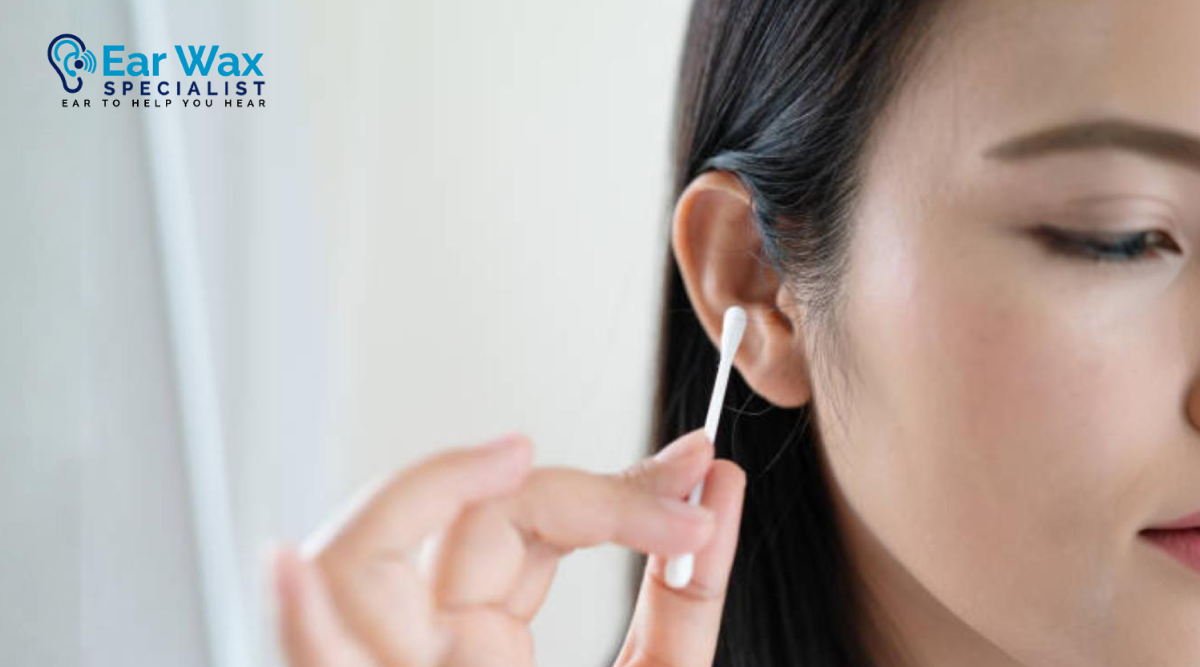
Using cotton swabs to clean ears may cause numerous issues. Inserting such swabs can irritate the hair. They can also stimulate the glands to produce excess earwax.
What Should You Avoid When Treating Earwax Impaction?
When you’re removing earwax at home, avoid using suction devices. These are unlikely to be effective in clearing the earwax. Besides, ear candles are sometimes considered for a natural earwax removal method. But, they can lead to injuries, and damage to the eardrum.
Can Earwax Buildup Affect Hearing?
Earwax accumulation can significantly affect hearing ability. As earwax builds up, it obstructs the passage. It also prevents sound waves from reaching the eardrum. This results in a diminished ability to hear, particularly when people are in close proximity.

How Can Hearing Loss Affect Your Life?
Hearing loss can have a significant impact on daily life. It may make it difficult to follow conversations, especially in noisy environments. Individuals may also avoid engaging in interactions. This can affect their relationships with those around them.
How To Get Earwax Out Of Ear?
To safely remove earwax, it is advisable to use ear drops. These help to soften the wax and make it easier to remove. If the issue persists, water irrigation may be considered. Alternatively, manual extraction or microsuction can also be considered.
What Happens If You Have Too Much Wax In Your Ear?
Excessive earwax can cause discomfort due to pressure build-up. It can also obstruct the ear passage. This accumulation may lead to hearing impairment, a persistent ringing sensation (tinnitus), or an earache. Over time, the trapped wax can create an environment conducive to bacterial growth. This will lead to an infection. Hence, it is advisable to seek medical advice promptly to prevent further complications.