
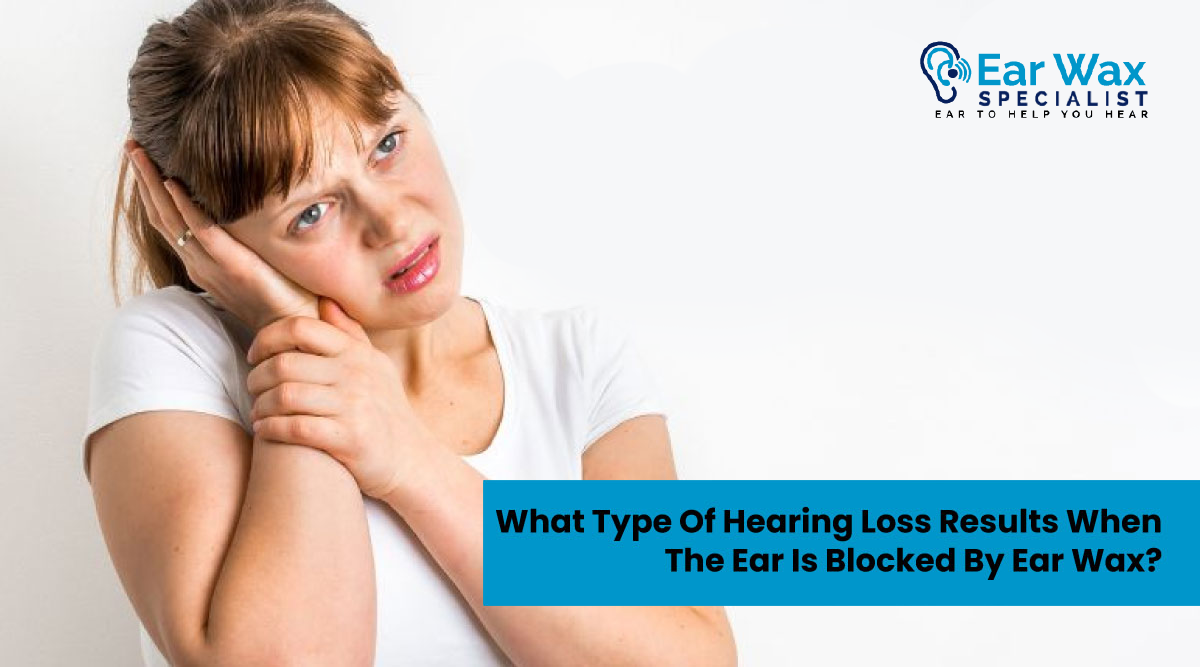
When the ear is blocked by earwax, it usually leads to conductive hearing loss, a temporary condition where sound waves can’t reach the inner ear until the wax is cleared. Once the blockage is safely removed by an expert, this variety of hearing loss is often completely reversible.
If you are looking for reliable care, try searching for Ear wax removal near me for nearby options. If you’re situated in the Midlands, you might want to check Ear wax removal Solihull for quick appointments, or you can consider local clinics that also offer help, such as Ear wax removal Sutton Coldfield and Ear wax removal Wolverhampton, or similar services.
When the ear canal is obstructed with earwax, the resultant hearing loss is generally conductive hearing loss, which is a term applied to when sound waves are physically blocked from reaching the inner ear. Fortunately, conductive hearing loss is temporary, and it is often resolved once the wax is safely removed from the ear by an expert.
How Earwax Physically Causes Conductive Hearing Loss
The ear canal transmits sound to the eardrum. However, when the ear canal is filled with impacted ear wax, the vibrations that create actual hearing cannot be transmitted properly. The ear wax acts as a “mechanical barrier” which contributes to conductive hearing loss, in contrast to sensorineural hearing loss, which most commonly comes from damage to the nerve or structure of the inner ear.
Clinicians frequently utilize otoscopy to validate the presence of a blocked ear related to wax occlusion. Since it is an external blockage, therapy can readily occur without any long-term consequences. The general public, who are looking for a professional service nearby, may always search Ear wax removal near me, which is an outstanding method of finding clinics with safe services like microsuction or ear irrigation.
Common Symptoms When Wax Blocks Your Ear
When there is ear wax occlusion, the first noticeable sign is how dull and muffled things may sound. For some, they might notice other side effects such as tinnitus (ringing), earache, or a feeling of pressure in one ear.
Generally speaking, symptoms will involve only one ear, yet the most surprising thing for people will be how relatively quickly they can appreciate their hearing returning following a simple ear wax removal. Earwax blockage should not be left untreated because timely intervention will reduce discomfort and risk of infections or severity of other consequences.

Diagnosing Blocked-Ear vs Permanent Hearing Loss
Health professionals use several available assessment tools to differentiate between earwax blockage and a possibly more complex specific state of impaired hearing loss. Otoscopy visualization and hearing testing and provide basic information about how sound can travel through a person’s auditory system.
If a blockage is confirmed, removing the wax often restores hearing immediately. But if symptoms persist after the ear looks clear, further testing may reveal sensorineural issues. Local specialists such as those offering Ear wax removal Solihull often combine removal with diagnostic screening to ensure complete recovery.
Safe Removal: Irrigation, Microsuction, and Manual Extraction
There are three professional methods available for ear wax removal:
Ear irrigation (ear syringing) – involves warm water delivered under controlled pressure.
Microsuction – a gentle suction method which is performed under magnification.
Manual extraction – involves special tools when wax is hardened or impacted.
Each of these methods has advantages. For example, microsuction is considered to be the better method for people with narrow ear canals, or a history of infections. We always try to discourage people from doing their own ear wax removal by using cotton buds, as they typically just push wax further down the ear canal.
If you are located in the West Midlands, clinics providing services such as Ear wax removal Sutton Coldfield often take on the workload to make appointments on the same day, so there is no reason to put off restoring your hearing.
After Removal: What to Expect and When to Seek Help
When your ear wax blockage is cleared, many experience instant improvement in hearing clarity. Suddenly, the world appears of a loud and more sharp nature, and the volume in your ears is less echoed. If hearing remains muffled, or tinnitus continues to exist, you may need to see someone who specializes in hearing issues, as this could indicate underlying sensorineural hearing loss or middle ear issues.
Clinics that are professionally operated, such as Ear wax removal Wolverhampton will usually complete a hearing check after the cleaning of the ear, to ensure everything has been returned to full hearing, and to check for further issues.
Preventing Future Earwax Blockages
Preventive ear care is easy but is often ignored. Do not insert cotton buds or other items into the ear canal, as they will push wax further down. Use a few drops of olive oil or of sodium bicarbonate drops (if recommended by a clinician) each week to help soften wax naturally.
If you produce excessive wax or wear hearing aids, please arrange to have your earwax maintained regularly. A professional can assist you in determining how often to safely remove wax based on your individualized ear health.
Conclusion
When the ear is blocked by ear wax, viral issues commonly arise. It usually will create a passive conductive hearing loss which typically resolves once the ear wax is cleared in a professional manner.
If the hearing does not return immediately after removal, simply follow up with an audiologist to perform to perform a hearing test and rule out a deeper cause. Knowing early on and taking care of the hearing issues you have will be the best possible way to keep your hearing as healthy as possible over the long term.