

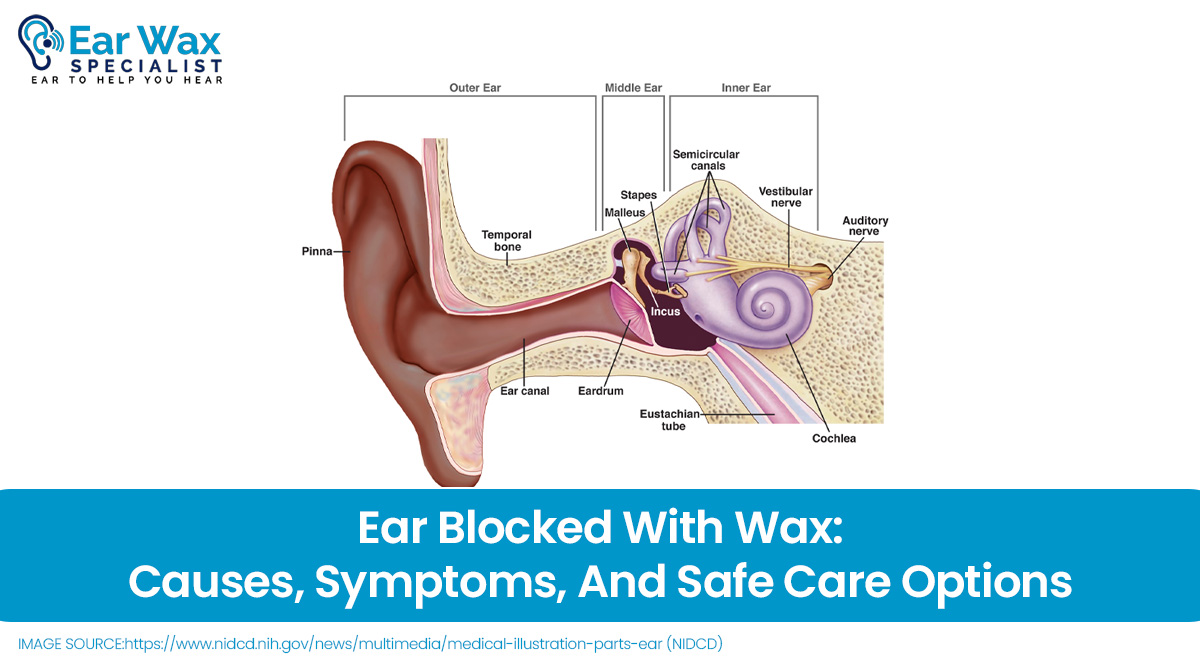
How Common Is Earwax Blockage?
An ear blocked with wax buildup is a very common problem and is usually not serious. Earwax, or cerumen, is a normal substance that the ear produces to protect the ear canal. In most people, earwax tends to come out on its own. When this process is interrupted, earwax can build up in the ear and cause a blockage.
This page provides calm, clear, and medically responsible information. It is for educational purposes only and does not replace professional medical advice.
What Is Earwax And Why Do We Have It?
Earwax is made in the outer region of the ear canal and is highly crucial for keeping your ears healthy. According to public health guidance on earwax, earwax is a natural barrier that keeps the ear from getting irritated and infected.
What Earwax Does
- Catches tiny particles, dirt, and dust
- Protects the ear from getting infected
- Keeps the ear canal from getting overly dry
The wax usually comes out on its own in a healthy ear, so you don’t need to remove it.
You can read our full guide on what earwax is and its role in ear health for a more in-depth look.
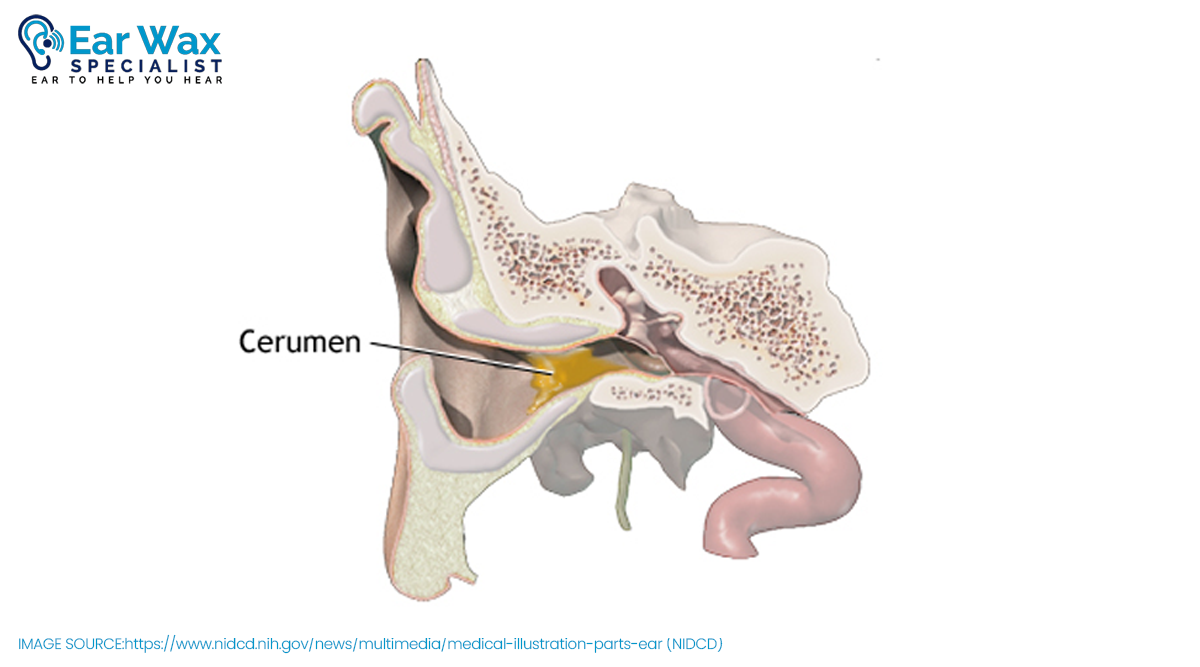
What Does It Mean When An Ear Is Blocked With Wax?
An ear becomes blocked when wax hardens and accumulates inside the ear canal. This can partially or fully block sound from reaching the eardrum.
Medical reference material on earwax blockage and hearing changes explains that this is a common cause of temporary hearing reduction.
This process is explained in more detail in our guide to earwax blockage, including causes, symptoms, and treatment options.
Common Symptoms Of An Earwax Blockage
Not everyone who has too much earwax has symptoms. When the symptoms occur, they may include:
- A sensation of fullness or pressure in the ear
- Decreased or muffled hearing
- A slight pain in the ear
- Sounds of ringing or buzzing in the ear
- A slight dizziness or loss of balance
- Itching in the ear
Medical advice on earwax-related symptoms suggests that severe pain, fluid discharge, or intense dizziness are not common with simple wax blockage and require consultation with a healthcare provider.
Some individuals may experience more severe symptoms when there is too much wax accumulation in the ear, which is referred to as impacted earwax. This may need to be checked by a doctor.
What Causes Earwax To Build Up?
Several factors can increase the likelihood of wax buildup.
Common Reasons Include
- Narrow or curved ear canals
- Inserting cotton buds or other objects into the ear
- Frequent use of hearing aids or earbuds
- Age changes that cause the wax to become drier
- Natural overproduction of earwax
Medical advice on safe ear cleaning practices suggests that inserting objects into the ear canal can often cause the wax to move further inside rather than come out.
Who Is More Likely To Get Earwax Blockage?
Earwax blockage can occur in anyone, but it is more likely to happen in:
- Older people
- Children who may not give a clear description of symptoms
- People who frequently use hearing aids and earplugs
- People who have frequent ear infections
- People with skin conditions in the ear area
Health advice on earwax and hearing devices emphasizes that earplugs and hearing aids can cause problems with the movement of earwax.
Is Earwax Blockage Dangerous?
In most instances, a earwax blockage is not dangerous. It may cause discomfort and hearing problems, but it is not a serious health issue.
Trusted medical information on earwax complications notes that long-standing blockage may increase irritation or infection risk if left untreated.
How Is Earwax Blockage Usually Diagnosed?
A doctor can examine the ear with a otoscope to check for earwax buildup.
Clinical explanations of ear examination for wax blockage advise against attempting self-diagnosis without proper tools.
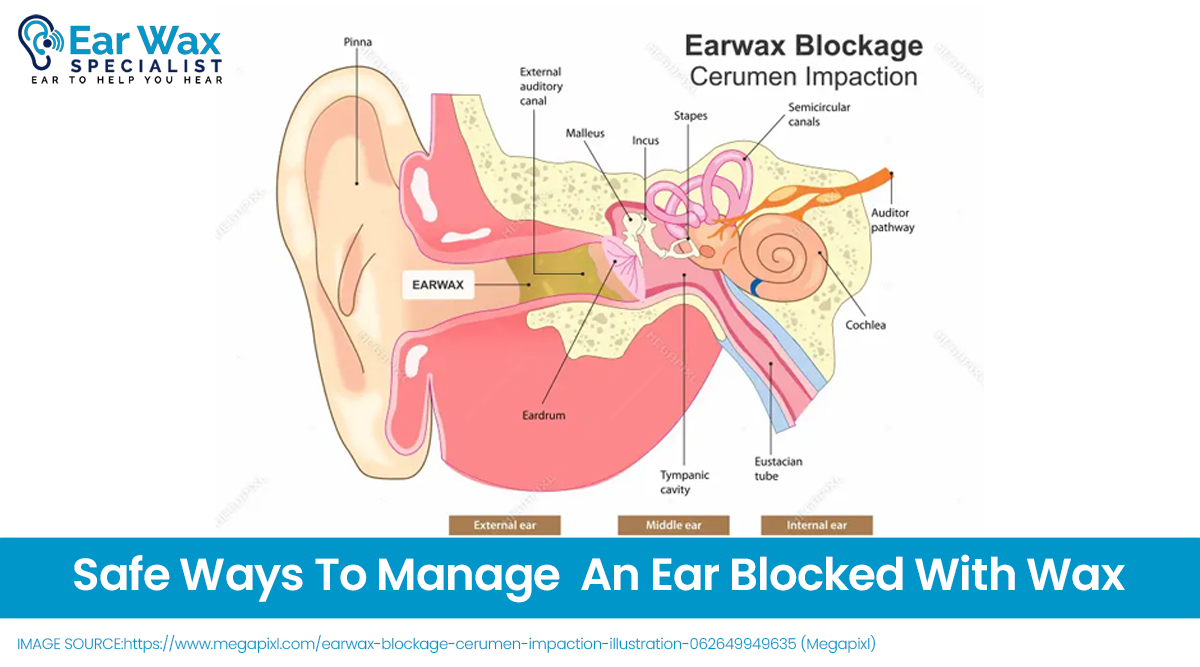
Safe Ways To Manage An Ear Blocked With Wax
At-Home Care (When Symptoms Are Mild)
- Using wax-softening ear drops to help the earwax come out naturally
- Drops are usually water-based or oil-based
- Discontinue use if there is pain or discomfort
Health advice on using ear drops safely suggests that people should not use ear drops if they have pain or drainage from the ear.
Important Safety Notes
- Do not use cotton buds, hairpins, or sharp objects
- Do not use ear candles
- Do not flush the ear if pain or discharge is present
Medical safety guidance on ear candling risks explains that it has no proven benefit and may cause harm.
Many misconceptions are also addressed in our article on common ear wax myths and facts.
If symptoms persist, comparing professional earwax removal methods such as microsuction and irrigation can help explain why professional care is often recommended.
When Professional Removal May Be Needed
Professional care may be recommended if hearing is affected, symptoms persist, or wax is deeply impacted.
Clinical overviews of professional earwax removal methods describe irrigation and suction as common options when performed by trained providers.
There are also clear warning signs outlined in our guide on signs you need professional earwax removal.
When To See A Doctor Or Healthcare Professional
Seek medical advice if you have:
- Ear pain or swelling
- Fluid or pus from the ear
- Sudden hearing loss
- Ongoing dizziness
National guidance on when ear symptoms need medical review recommends prompt assessment in these situations.
Can Earwax Blockage Be Prevented?
Earwax cannot always be prevented, but problems may be reduced by avoiding cotton buds and following professional ear-care advice.
Preventive tips for reducing earwax problems are outlined in public health resources.
Earwax Blockage In Children And Older Adults
Children and older adults may not clearly communicate hearing problems.
Possible Signs To Watch For
- Turning up the television volume
- Not responding to sounds
- Ear itching or irritability
Guidance on recognising hearing difficulty in children and older adults recommends professional ear checks when these signs appear.
Frequently Asked Questions
1. Can Earwax Cause Temporary Hearing Loss?
Yes. Temporary hearing loss due to earwax is common and usually improves once the blockage is safely removed.
2. Is It Safe To Remove Earwax At Home?
Mild cases may improve with drops, but home earwax removal guidance advises avoiding objects inside the ear.
3. Why Does My Ear Feel Blocked After Using Earbuds?
Information on earbuds and wax buildup explains that they can push wax deeper into the ear canal.
4. Can Earwax Blockage Cause Ringing In The Ears?
Yes. Ringing caused by earwax blockage is usually temporary and improves after wax removal.
5. Should Earwax Always Be Removed?
No. Medical guidance on earwax removal explains that wax should only be removed if it causes symptoms.
A fuller overview is available in our guide on ear wax buildup, blockage, and removal options.
6. How Long Can An Ear Feel Blocked With Wax?
An ear may feel blocked for a short time if wax is present. In many cases, the sensation improves as wax moves naturally out of the ear or after safe care. If the blockage lasts several days or becomes worse, professional advice is recommended.
7. Is Earwax Blockage More Common As You Get Older?
Yes. Earwax blockage is more common in older adults because wax can become drier and harder over time, making it more difficult for the ear to clear naturally.
8. Can Earwax Come Back After Removal?
Yes. Earwax can build up again over time because it is naturally produced by the ear. Some people may need periodic ear checks, especially if they are prone to buildup.
9. Can Earwax Blockage Happen In One Ear Only?
Yes. Earwax buildup can affect one ear or both. It is common for one ear to feel more blocked than the other.
10. Should Children Be Treated Differently For Earwax Blockage?
Yes. Children should not have objects placed in their ears. If earwax is suspected to be causing symptoms, a healthcare professional should assess it.
Sources And Medical Guidance
This content reflects evidence-based guidance from trusted, high-authority medical and public health organisations, including:
- UK National Health Service (NHS)
- MedlinePlus (U.S. National Library of Medicine)
- Mayo Clinic
- Cleveland Clinic
- Healthdirect Australia
Author Detail
Written by: Mohammed Khizar
Medically Reviewed by: Mohammed Khizar
Medical Disclaimer
This content is for educational purposes only. It does not diagnose, treat, or replace advice from a qualified healthcare professional. Always consult a medical professional if you have concerns about ear symptoms or changes in hearing.
Image Sources and Medical Illustrations
Images and medical illustrations on this page are based on publicly available educational resources and licensed reference materials from trusted health and medical organisations. Illustrations are used for general educational purposes only.