
Table of Contents
ToggleIf you have hearing loss, ear pain, a blockage that won’t go away, dizziness, discharge, or if home therapies don’t work, you should see a doctor for earwax removal. Booking earwax removal in Birmingham or Ear syringing Coventry for professional removal is safe and works quickly, and they will also take good care of your ears or you can simply search earwax removal near me to get top clinics.
Introduction
Earwax, sometimes called cerumen, is important for keeping the ear canal safe and free of infections. But too much of it can make you feel uneasy, cause hearing problems, and at times even worse symptoms. The important thing is knowing when the buildup requires professional attention to avoid other problems. If your symptoms do not go away or have worsened, it may be the time for correct treatment. Facilities like Earwax Specialist UK offer safe, quick, and comfortable solutions.
You can book an appointment today to have experienced specialists inspect your earwax if you think it might be a concern.
What Is Earwax And Why Does It Build Up?
Glands in the ear canal produce earwax that prevents dust, bacteria, and other forms of irritation from affecting the ear. It moves its way out naturally in most cases. There are several factors, however, which cause it to build up: narrow ear canals, more than normal production of wax, increase in age, or pushing the wax further inside by using cotton buds.
When wax hardens or gets stuck, it can obstruct the ear canal and produce symptoms that may need to be removed by a specialist. This is generally done safely with methods like microsuction or controlled irrigation.
If you live in the Midlands, it’s easy to get professional aid, like earwax removal in Birmingham, for safe treatment on the same day.
Recognising The Symptoms Of A Problematic Build-Up
When earwax builds up and causes:
- A feeling of being full or blocked
- Loss of hearing or hearing that is muffled
- Tinnitus is ringing or buzzing.
- Itching or pain
- Feeling dizzy or off balance
- Discharge or a bad smell
If you observe any of them, especially if the symptoms get worse or don’t go away with simple softening drops, you should see a doctor. Earwax Specialist UK makes it easy to get an appointment so you may be seen right away.
When Should You See A Doctor For Earwax Removal?
1. Hearing Loss Or Persistent Blockage
If your hearing gets muted or you always feel blocked, you should see a professional to get it removed. This is especially true if the symptoms don’t get better after a week of using softening drops.
2. Ear Pain, Discharge Or Odour
These could mean an infection, discomfort, or wax that is stuck, and you should never ignore them.
3. Dizziness Or Balance Issues
Having wax buildup on the inside of your ears may cause dizziness or the sensation of spinning. A doctor is recommended to address any of these symptoms.
4. History Of Ear Problems
If you’ve had:
- A hole in your eardrum
- Surgery on your ear
- Ear tubes: you should never try to take them out at home.
5. Recurrent Or Stubborn Wax Build-Up
If you have repeated occurrences of wax buildup, it is recommended that you refer yourself to a Clinic for Ear Syringing in Coventry (or similar Clinics) for a routine clinical cleaning.
Always choose a qualified clinic
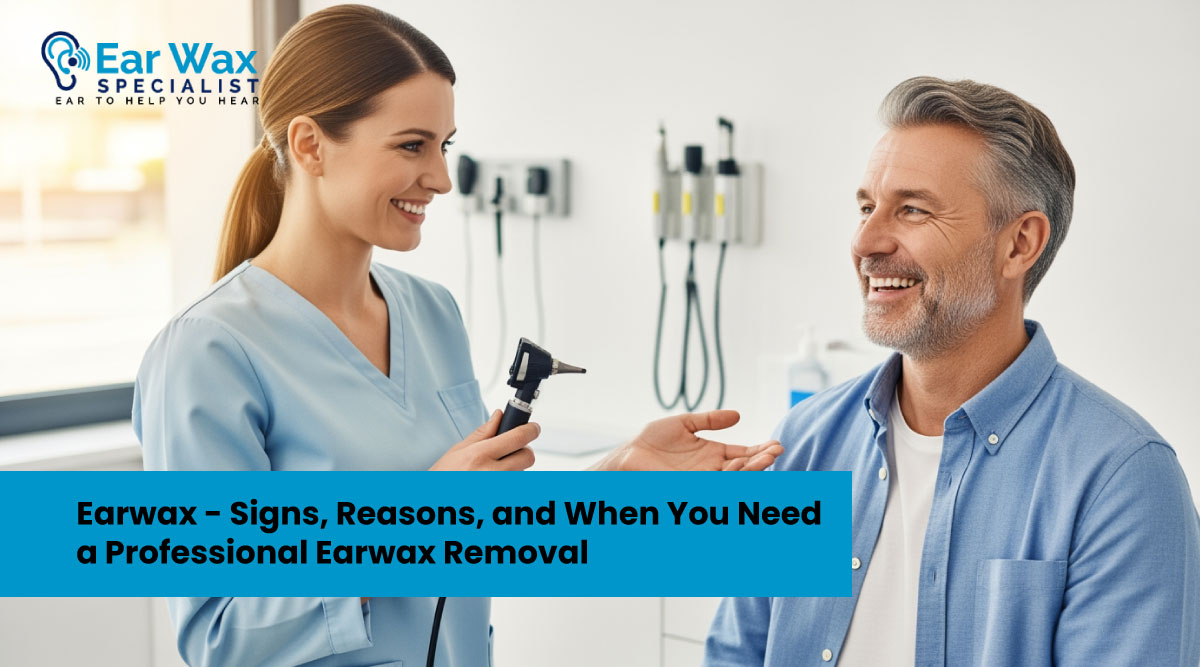
If you are unsure, an appointment can be made at the Earwax Specialist UK (or similar Clinics) to have your ears checked by an Otoscopist, as well as have your ears treated by trained specialists.
What Happens During Professional Wax Removal?
A trainer will:
- Examine the Ear with an otoscope
- Assess the type of wax in the ear (soft/hard/stuck)
- Choose the safest means of removing the wax based on its consistency:
- Microsuction and irrigation
- Using sophisticated tools to manually extract
The technique is typically swift, painless, and done in front of the patient. Most people notice an instant improvement in their hearing and comfort.
You might want to search for “earwax removal near me” to find a clinic nearby to you and schedule the first available appointment.
Self-Care And When It’s Not Enough
Softening drops, like those made with olive oil, may help with mild blockages. But:
- Don’t use cotton buds; they push wax deeper.
- Don’t try to syringe at home
- If you have ear pain, dizziness, an infection, or a hole in your eardrum, don’t try to treat yourself.
You should see a doctor if the drops don’t work after 5 to 7 days.
Earwax Specialist UK will see you the same day and safely remove wax with medical-grade tools.
Make an appointment today to avoid problems.
Closing Thoughts
Earwax buildup in the ear canals occurs naturally, however there will be signs of needing to seek medical attention. If you experience any of the following, please contact your doctor or an Ear Care Specialist, and do not attempt to treat the problem on your own: Hearing loss, Ear Pain, Persistent/Ear blockage, Dizziness, or Ear Discharge. Clinics like the Earwax Specialist UK can help restore hearing quickly, safely, and effectively.
Don’t wait; make an appointment now for professional care.
FAQ
1. How Do I Know If I Need Professional Ear Wax Removal?
If you have symptoms like plugged ears, impaired hearing, tinnitus, dizziness, discomfort, or pain, you may need to have a specialist remove them. If your symptoms persist after seven days of treatment with softening drops, please see a physician as soon as possible.
2. When Should I See A Doctor About Ear Wax?
You should see a doctor if your symptoms do not improve, worsen or develop new symptoms such as discharge, dizziness or hearing loss. If you’ve had your eardrum pierced, had ear surgery, or had wax build up in your ears before, you should also see a doctor.
3. At What Point Would Excessive Ear Wax Become Problematic?
It becomes a concern if your ear canal is blocked with excessive earwax and causing hearing loss, ringing in the ears, pressure, dizziness or prevents proper examination of the eardrum.
4. Why Don’t Doctors Remove Ear Wax Anymore?
Earwax is a normal substance and will not cause harm; thus, many General Practitioners (GPs) do not remove earwax, they advise patients to use softening drops at home, or refer patients to a specialty clinic for expert removal of earwax.