

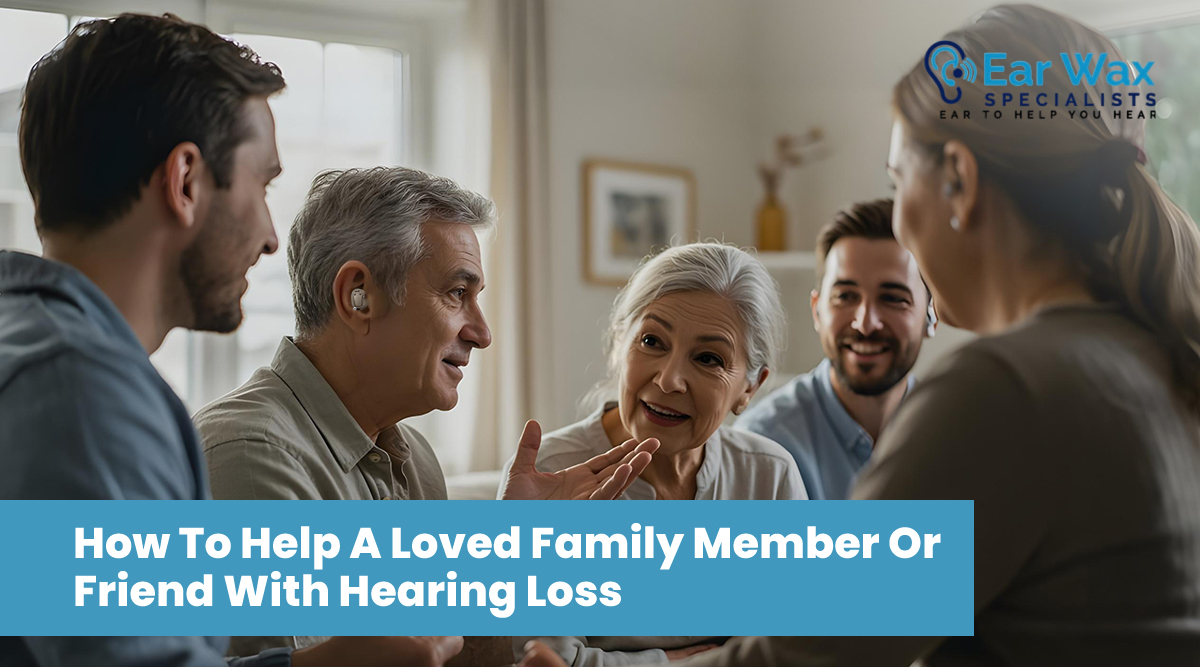
If you have someone in your family with hearing loss, you may find it frustrating because you may have to repeat yourself several times in order for them to hear you, and sometimes you may get an indifferent response to a question that you ask, which isn’t relevant to the question that you might have asked. It might be annoying, but it is wise to empathise with the person who’s struggling. In this blog we will explore how you can help your loved ones who are suffering with hearing loss.
Emotional and Social Impact of Hearing Loss
One of the things that you often find with patients with hearing loss is that they often become very withdrawn from conversations and they lose their confidence. They feel that they cannot contribute as much, especially in social gatherings. As they age, they withdraw from social situations, which is one of the worst things they can do. Reduced social interaction often leads to greater cognitive fatigue and decline, as the brain is no longer regularly challenged by engaging in complex communications. When someone avoids social settings, they miss out on the mental stimulation that comes from navigating multiple conversations, which can gradually diminish cognitive function.
Recognising the Signs of Hearing Loss
Some of the telltale signs that someone is struggling with their hearing are
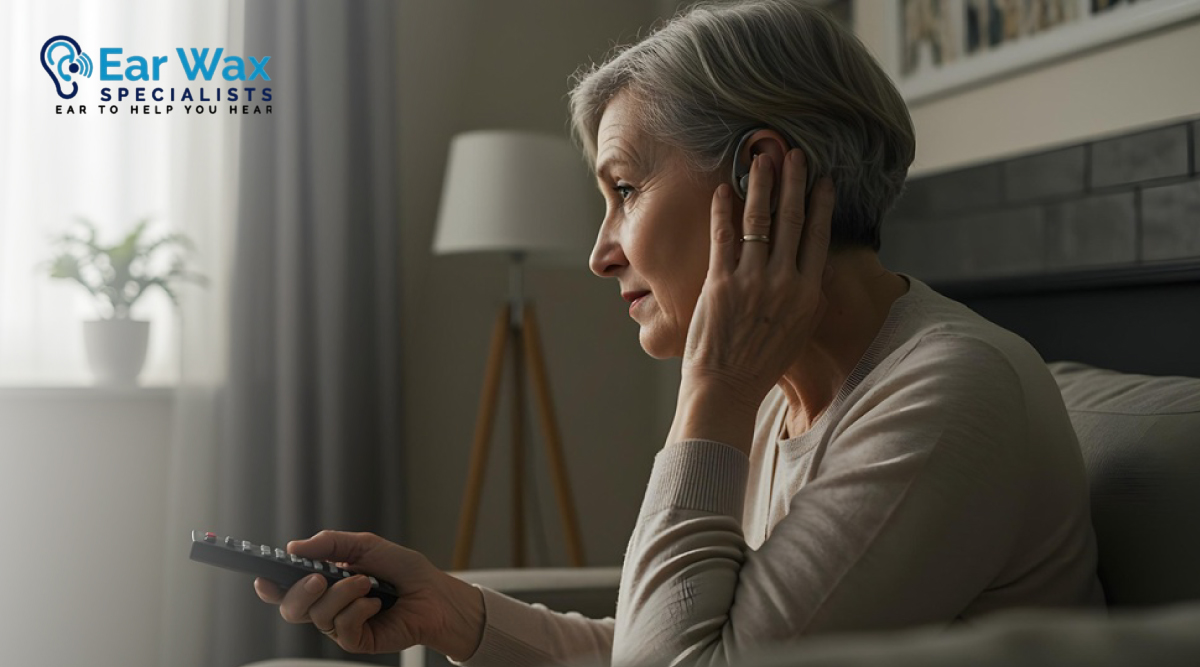
- One of the earliest signs is a noticeable increase in the volume of the television.
- They may frequently ask you to repeat what you have said.
- If you’re not facing them, they may struggle to hear you, and you’ll have to raise your voice.
- Background noises significantly worsen the issue, making it much harder for them to follow group conversations compared to one-on-one conversations.
- You may also find yourself needing to speak louder than usual for them to fully understand you.
Effective Communication Techniques
When older people suffer with hearing loss, it is very important that you are facing them so they can use all the visual cues that are available. Lip reading is a crucial cue that helps individuals with hearing loss understand what you are saying. A normal hearing individual will naturally use these signals completely subconsciously to understand conversation, however when the hearing starts to deteriorate, people often find themselves leaning more and more on lip reading to communicate effectively. Therefore it is important to face the person you are talking to and visit a nearby audiology clinic offering hearing tests.
Environmental Adjustments
Another important consideration is background noise and seating position. Positioning the individual with hearing loss so they are sat with a wall behind them can significantly reduce the overall perception of background noise. Most older patients generally tend to hear background noise far better than they can hear speech. In such situations where speech and background noise are presenting together for example in a busy cafe or restaurant they often find that the background noise overpowers speech, making it difficult for them to process conversations well.
It’s also important that you talk clearly and slowly and try not to mumble when you’re talking to someone with hearing loss because they are very reliant on visual cues like lip reading.
Many social environments like restaurants and cafes have a considerable amount of reflective surfaces which can make listening so much more difficult for people with hearing loss. Sounds bounce off hard surfaces and can create echoes, so adding soft furnishings and curtains can help absorb some sound and reduce related issues especially within the home.
Reducing ambient noise in the environment, such as closing windows or taking other measures to block road traffic noise, will significantly improve general conversations.

Encouraging Use of Hearing Aids
The other thing you could do is encourage them to use hearing aids if they really are struggling in normal everyday situations. It is often found that the longer you leave patients without hearing aids and without intervention, the less effective they become. As you get older, cognitive decline becomes more of a issue therefore, early intervention is usually the best way for patients to utilise the hearing they have left.
And this might just involve an assistive listening device in the first instance in the form of a TV loop, a TV amplifier, or even a soundbar, which will help amplify the television so it’s not as loud. Additionally, it is important to address the misconceptions and concerns that many patients have regarding hearing aids. They may have heard they are not the best at cutting background noise based on what someone told them.
Trial and Support Options
Most independent hearing aid providers provide a free trial for a week, which is a no-obligation opportunity for patients to try our range of hearing aid in our Sutton Coldfield clinic with a wide variety of listening environments to assess their benefits and then decide whether the hearing aids provide any value for them in their lives.
Another benefit of hearing aids is that you need to emphasise to them is the renewed ability to connect socially. Being a part of social groups, engaging in conversations, and feeling confident in social environments can make a world of difference.
We often see individuals rejoin gatherings with friends and participate more actively, no longer worried about struggling to keep up with the conversation. This alone can be a powerful motivator to seek help. It is also important to create an environment which is hearing friendly to support better communication on a daily basis.
Use of Assertive Listening Devices
Another crucial aspect not to overlook is the use of assistive listening devices. Tools such as telephones with built-in amplifiers can make a significant difference for someone with hearing loss.
Many hearing aids and modern hearing technologies support this by streaming television and phone calls directly into the hearing aids at the correct level of their respective prescription. Issues that once made hearing aids frustrating, like difficulty hearing phone conversations, are no longer a problem. This feature is especially important for individuals who live alone, as phone calls often serve as a vital connection to others. It’s something well worth keeping in mind.
Conclusion
Supporting a loved one with hearing loss requires patience, empathy and a proactive approach. By recognising the signs early, encouraging the use of best hearing aids, and making small but meaningful adjustments in communication and the environment, you can greatly improve their quality of life. With the right support, they can regain confidence, reconnect socially and enjoy richer interactions every day.