
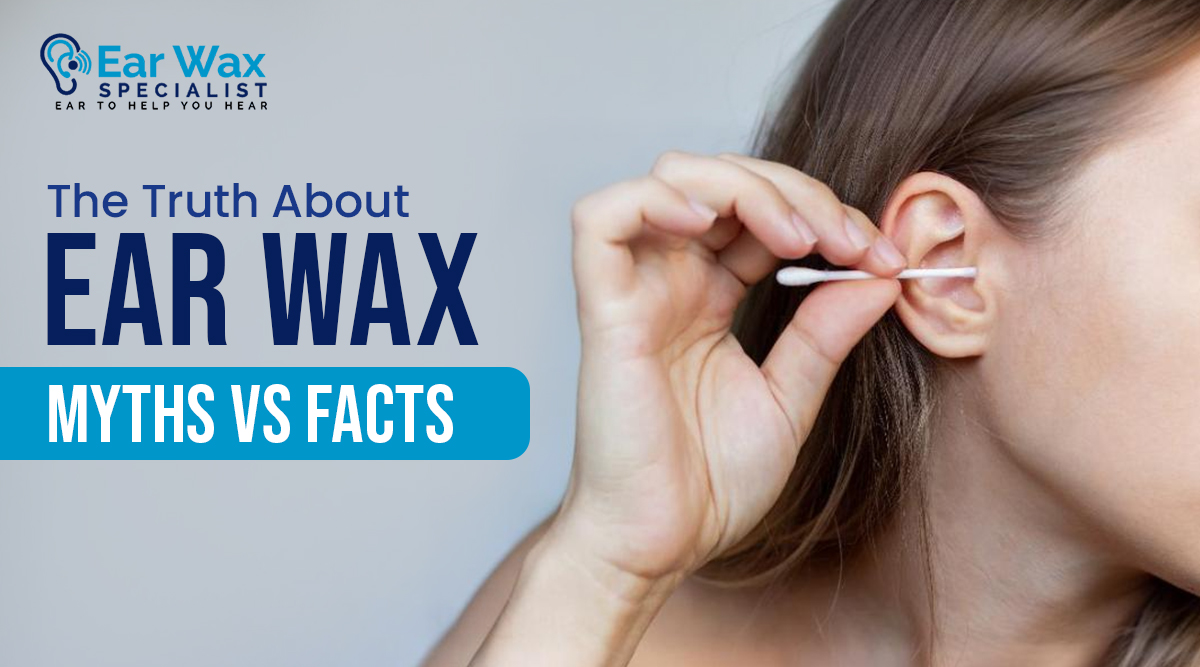
When ear wax starts building up, the first thing you might do is poke it with a cotton bud to remove that pesky obstruction in your ear. However, did you know the purpose of ear wax? Is it sensible to remove it ? What does it consist of?
Below we answer all the common myths and truths associated with ear wax build up and ear wax removal.
Query: Is Having Ear Wax A Good Or A Bad Thing?
Myth: Is Earwax Considered A Harmful Substance That Should Not Be Present In The Ear?
Fact: In general, earwax is not associated with poor hygiene. Ear wax is a natural secretion from your ear canal which has a functional purpose. Ear wax is made up of cholesterol, alcohols, lipids and skin. The combination of these different components helps the ear fight off bacterial infection. It acts as a sticky barrier preventing debris and dust particles entering your ear. It also creates a hydrophobic barrier which repels water helping keep your ear dry.
However because the ear canal is such a narrow cavity sometimes ear wax does not migrate out of the ear naturally like it normally would do. It is this excessive accumulation of earwax which causes blockages and a loss of hearing. This is when it is important to have an earwax removal procedure.
Query: Does Having Earwax Indicate Poor Hygiene?
Myth: Is Earwax A Sign Of An Unclean Ear?
Fact: According to a well-known academy of Otolaryngology, earwax maintains the ear’s health. As it is known for its antibacterial properties, it also prevents bacterial growth. The wax, moreover, protects the ear canal from getting affected by dust. However, overcleansing the ear beyond just a quick wipe of the front of the ear can cause earwax to be pushed deeper into the ear canal.
This can lead to extensive blockages leading to reducing hearing or injury or blunt trauma to the back of the ear canal.
Query: Does The Ear Require Regular Cleaning?
Myth: Should The Ear Be Routinely Cleaned To Remove Excess Wax Buildup?
Fact: Cleaning your ears on a regular basis is not required at all. As earwax is produced by the ear, it works its way out from the ear canal naturally, migrating out of the back of the ear and out to the front. Most of the time, having earwax will not lead to any issues.
However if excessive ear wax starts becoming symptomatic with the following issues
- Pain
- Tinnitus
- Reduced hearing
- Itching or scratching
Get in touch with a professional audiologist. They follow the safest techniques for ear wax removal instead of using other unauthorised methods.
Query: Are Q-Tips Safe For Cleaning Ears?
Myth: Q-Tips Can Feel Satisfying To Use And May Seem To Clear The Ears, Improve Hearing, And Remove Water After Showering.
Fact: Whenever you use a Q-tip to clear ear wax, it will push the earwax further down the ear canal.
You have to remember the diameter of an ear canal on average is 27mm in length and 10mm in diameter. There is not enough room to scoop ear wax out of your ear using a cotton bud.
Besides, Q-tips can cause injury and ear infections with the potential of also perforating your eardrum..
Patients also experience discomfort when earbuds come into contact with the delicate skin in the ear canal. A common consequence of using cotton buds is drying the ear out which then leads to constant irritation and itching of the ear in the long term. The natural microbial flora inside the ear is very important to the health of the ear.
Query: What Should Be Done To Ease The Pain Of Earwax Buildup?
Myth: Common Methods For Removing Earwax Buildup Include Using Q-Tips, Hairpins, Safety Pins, Or Keys. Other Options May Involve Irrigation With Chemicals Like Hydrogen Peroxide Or Ear Candling.
Fact: To ease the pain of earwax buildup, you must never use cotton buds or any other object. Instead of removing the ear wax, these can push it further into the ear canal. But, you can use ear drops or even a few drops of olive oil to make the wax softer. If the pain persists after these remedies, then consult your local audiology clinic. The experts will then remove the ear wax after examining the ear canal.
Query: Do You Need To Regularly Clean Ears?
Myth: Do I Need To Clear The Earwax If The Ear Is Clogged?
Fact: It’s actually not necessary to clean your ears regularly. The ear naturally cleans itself. This occurs through the natural migration of dead skin of the eardrum. When the eardrum sheds its skin it travels along the ear canal and pushes ear wax along with it to the front of the ear. This stops the natural migration of the ear wax and causes extensive blockages over several months as fresh secretions of ear wax all build up to cause a significant seal and blockage.
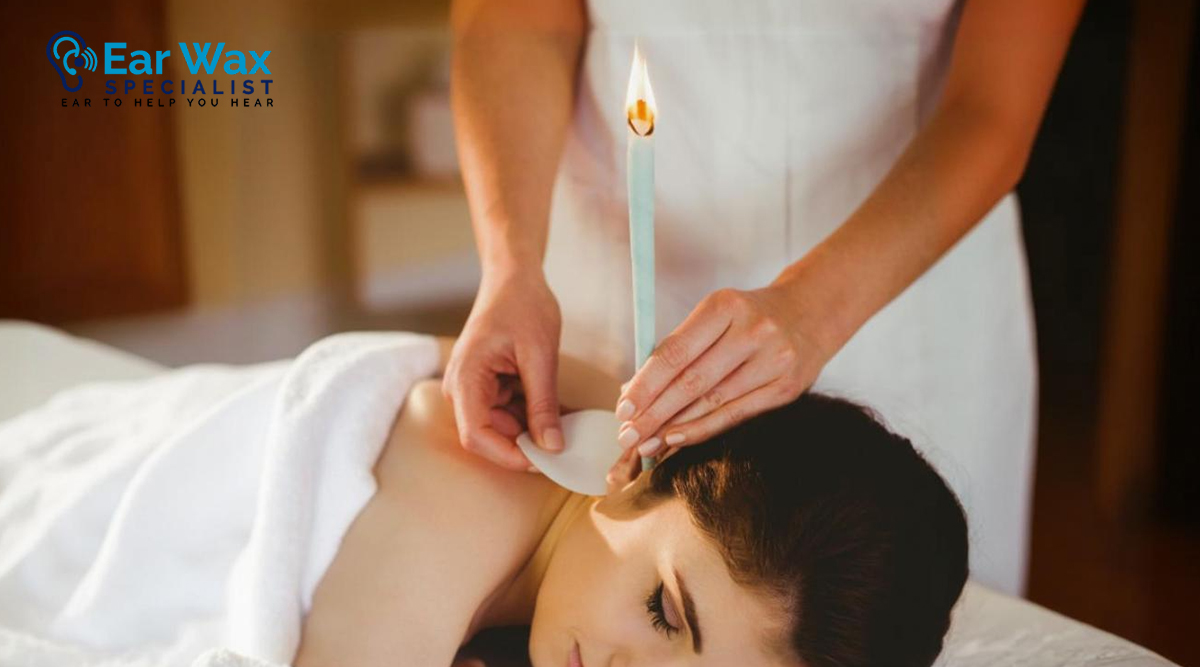
Query: Are Ear Candles A Reliable Method For Earwax Removal?
Myth: Is Ear Candling Safe And Effective For Removing Ear Wax?
Fact: Many professionals or audiologists will not consider ear candling for earwax removal. This method is ineffective, and it leads to many health risks. The flames have been known to cause burns around the ear and affect the delicate eardrum. Hence, the most effective way is to book an appointment with an audiologist. They will examine your ear endoscopically and will decide which technique is ideal for earwax removal.
Query: Are Ear Candle Wax Removal Methods Regulated?
Myth: Do Specialists Recommend Using The Candle Wax Method For Ear Wax Removal?
Fact: Ear candling is not regulated or classed as an appropriate medical procedure by the MHRA or FDA. The effectiveness of ear candling is also not supported by any evidence. In fact, experts don’t recommend considering ear candling at all to remove ear wax. Ear wax candles mythbusters have found that the wax found inside the candle is not from the ear canal itself but the burnt residue and beeswax from the candle itself. Introducing any sort of flame that close to the ear can cause considerable damage as we have found over the years.
Query: Is Hearing Loss The Only Symptom Of Earwax Buildup?
Myth: Does Ear Wax Buildup Ruin The Hearing Experience?
Fact: When ear wax builds up there are many symptoms associated with it, not just hearing loss.
Patients often present with symptoms of
- Dizziness
- Itchy ears
- Pain discomfort (especially if the ear wax is hard or on the eardrum
Before the condition grows worse, it is sensible to seek assistance from an audiologist. Once your ear is examined they can move ahead with an effective treatment.
Query: Is Earwax Buildup Dangerous?
Myth: Does Earwax Buildup Cause Hearing Loss Permanently?
Fact: Earwax build up usually doesn’t cause permanent hearing loss. But, with the accumulation of earwax, the ear canal can be blocked. This can lead to temporary hearing loss or muffled hearing. Once the wax is effectively removed your hearing levels will return to normal in most cases.. Nevertheless, if the buildup is left untreated for longer periods of time then it can lead to issues. There is often an increased risk of infection or damage to the delicate structures inside the ear canal. Any patient who suspects a sudden deterioration in their hearing should seek medical advice as ear wax is not the only reason for your sudden hearing aid deterioration.
Finally, if you’re concerned about excess earwax buildup, then why not connect with an Ear Wax Specialist?
We assess the ear canal’s condition, we will use the safest technique to remove the wax. Apart from endoscopic microsuction, we may also use manual instruments or water irrigation, the technique that we use will depend on the nature of ear wax.
We present before/after pictures of the procedure along with video recordings of the whole procedure for you to take away with you.
FAQs
What Is The Truth About Ear Wax?
When ear wax settles in the ear canal, it serves as a protective barrier. With time, it also prevents dust particles from reaching the ear drum. Risks of infections are also reduced owing to its antibacterial properties. But, a person may face hearing loss and feel uncomfortable when there’s excess earwax buildup.
What Is The Science Behind Ear Wax?
Earwax is usually produced by modified sweat glands in the ear canal. It is mainly composed of fatty acids, alcohols, and dead skin cells. Besides protecting the ear against dust, it also helps to prevent infections.
Should We Remove Ear Wax Or Not?
Most of the time, there isn’t any need to remove ear wax. Primarily because it comes out naturally on its own. However if a patient experiences discomfort or hearing loss in those instances they should book an appointment with an audiologist.
What Is The Point Of Having Ear Wax?
Earwax plays an important role in protecting the ear canal. As the wax keeps settling, it serves as a barrier against dust and prevents it from reaching the ear drum. Moreover, when earwax is present, it prevents the ear from drying out. earwax is vital for maintaining ear health and protecting the ear canal.